
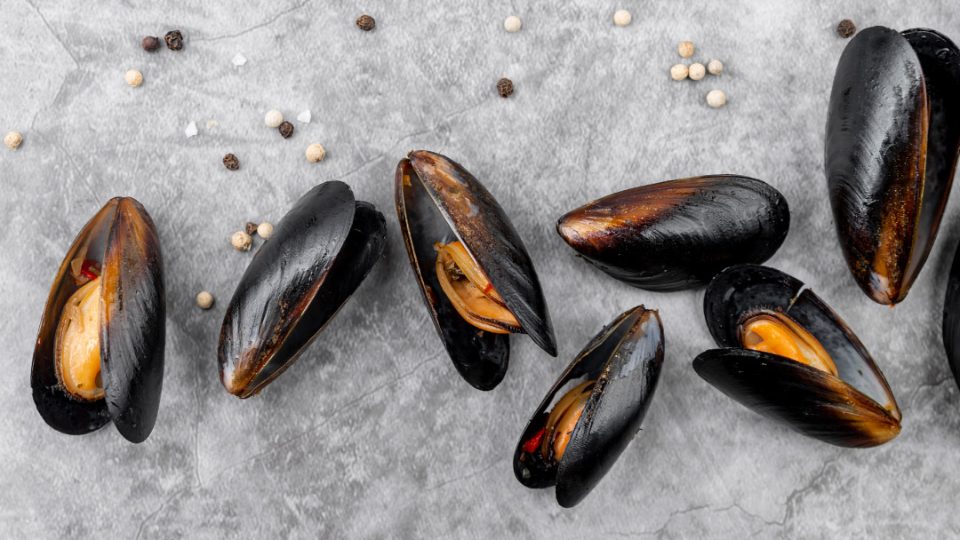
The genome assembly of the blue mussel (Mytilus edulis), a close relative of the Mediterranean mussel (Mytilus galloprovincialis), marks a significant step forward in enhancing the aquaculture of these commercially valuable bivalve molluscs.
This achievement, realised by researchers from the Roslin Institute and the Royal (Dick) School of Veterinary Studies at the University of Edinburgh, in collaboration with Atlantic Aqua Farms Ltd., represents a major advancement in the genetics of this species. It provides a crucial tool for improving aquaculture, marine ecology, and evolutionary studies.
In terms of aquaculture, the potential applications include genetic improvement in breeding programmes, the identification of genetic markers, monitoring and control of hybridisation, diagnosis and management of diseases, optimisation of cultivation conditions, studies in ecotoxicology and bioremediation, and the conservation and management of natural resources.
The study, whose findings have been published in the scientific journal G3: Genes, Genomes, Genetics, reveals that to achieve a chromosome-scale genome assembly, a combination of PacBio sequencing and Dovetail's Omni-C technology was employed. The result was an assembly with 14 long scaffolds representing 94% of the predicted Mytilus edulis genome, with a total length of 1.65 Gb and an N50 of 116 Mb. This high-quality assembly includes the prediction of 47,128 genes, of which 45,379 correspond to complete CDS protein sequences and 129,708 to isoforms.
Potential Applications in Aquaculture
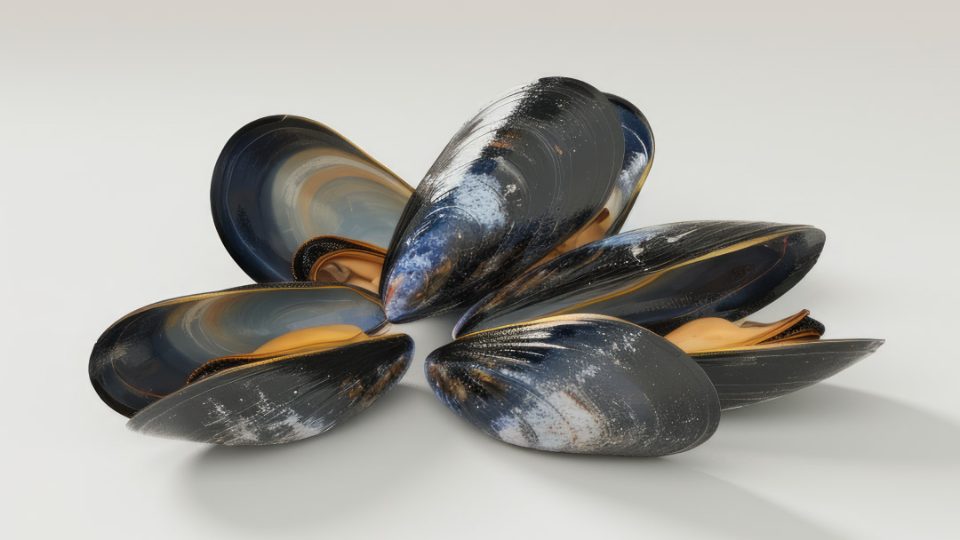
As mentioned, the genome assembly of this species provides a solid genetic foundation that can be utilised in more efficient breeding programmes. This enables the selection of mussels with desirable traits such as increased disease resistance, better growth, and greater adaptability to varying environmental conditions.
Moreover, the ability to identify genetic markers, such as SNPs, and other genetic variations is valuable for monitoring and managing aquaculture populations, ensuring the sustainability and genetic health of the stocks. The information derived from these markers facilitates the development of strategies for early diagnosis and effective pathogen management.
This advancement also allows for the monitoring and control of hybridisation with other species within the Mytilus spp complex, which is essential to prevent the introduction of undesirable genes that could negatively impact the viability of cultivated mussels.
On a more environmental front, mussels are known for their ability to filter and accumulate contaminants from their surroundings. Genome studies can provide crucial insights into how mussels respond to these contaminants and help develop bioremediation strategies.
Reference:
Tim Regan, Tiago S Hori, Tim P Bean. A chromosome-scale Mytilus edulis genome assembly for aquaculture, marine ecology, and evolution. G3 Genes|Genomes|Genetics

Related

Latest In-depth
-
Clams more resistant to heat and Perkinsus: research paves the way for selective breeding
Padua, Italy, 16/10/2026 | University of Padua researchers explain to misPeces the findings presented at Aquaculture Europe 2026 and the steps needed to transfer them to hatcheries. Initial applications could emerge within the next two or three years, although the relationship between resistance, growth and other production traits still need to be assessed