
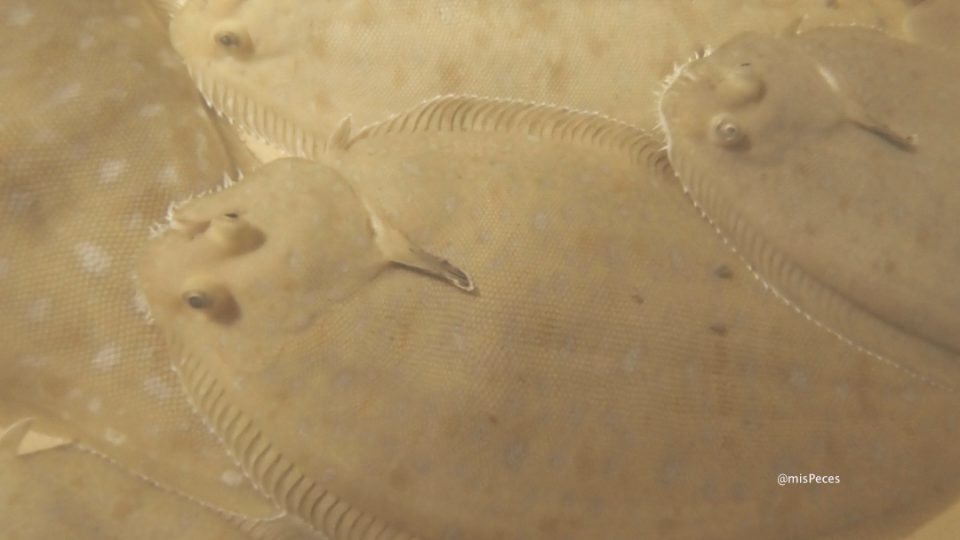
Recirculating aquaculture systems (RAS) are, in terms of yield, the most efficient systems available due to their capacity to produce large amounts of biomass in relatively small areas.
This efficiency increases the sustainability of aquaculture while reducing environmental impacts and optimizing resource use. However, it is important to note that these systems can be energy-intensive.
According to estimates, the yield of these systems can reach over 2,000 tons of fish biomass per hectare per year.
In a review study published in the Aquaculture Journal, researchers from the National Center for Ecological Analysis and Synthesis, University of California, Santa Barbara, analyzed global patterns of area use and yield in aquaculture systems. In the case of recirculating systems, they acknowledge that data is still limited and variability is high.
As the authors point out, it is crucial to consider both land and water use in yield estimates to accurately assess environmental impacts.
The study compiled data from 25 countries, with China providing the majority of the estimates. This reflects global production patterns, considering that China is the largest producer of aquaculture by a wide margin.
The highest yields are obtained at the national level, while the lowest yields are found at the farm level.
The study also found that marine production is significantly more efficient in terms of yield than freshwater systems. This is due to factors such as investment in infrastructure and reliance on exogenous feeding in marine systems.
Yields per hectare depend on the species cultivated, the aquaculture techniques used, and the specific environmental conditions of the country.
The data reflect how aquaculture can be crucial in meeting the global food demand in the future.
Reference:
Fong, C. R., Gonzales, C. M., Rennick, M., Gardner, L. D., Halpern, B. S., & Froehlich, H. E. (2024). Global yield from aquaculture systems. Revista de Acuicultura, 16(3), 1021-1029. doi:10.1111/raq.12881

Related

Latest In-depth
-
Clams more resistant to heat and Perkinsus: research paves the way for selective breeding
Padua, Italy, 16/10/2026 | University of Padua researchers explain to misPeces the findings presented at Aquaculture Europe 2026 and the steps needed to transfer them to hatcheries. Initial applications could emerge within the next two or three years, although the relationship between resistance, growth and other production traits still need to be assessed