
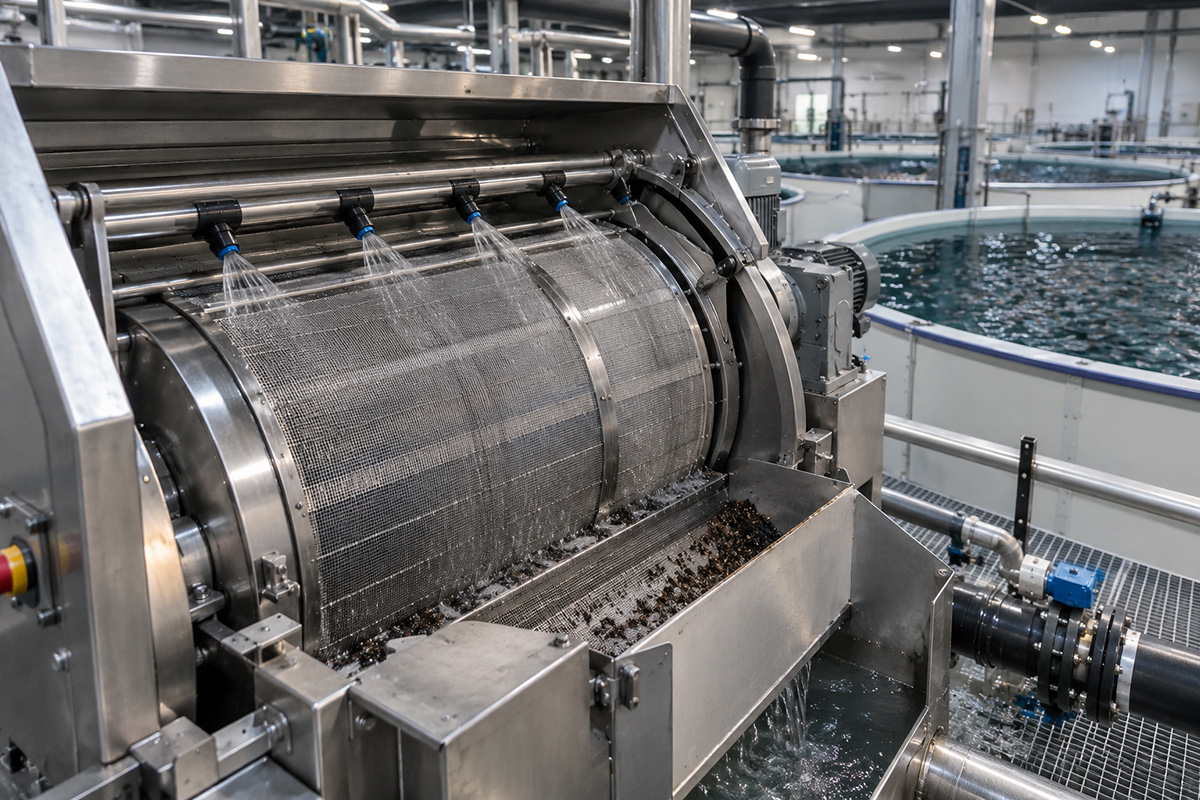
Two biofilters capable of maintaining adequate nitrification performance in a recirculating aquaculture system could create different microbial environments, depending on the bacterial communities they harbour.
This finding extends the role traditionally attributed to biofilters beyond the conversion of ammonia and nitrite, showing that they also act as reservoirs and sources of microorganisms that disperse into the rearing water.
This is the conclusion of a study published in Aquaculture, in which researchers experimentally demonstrated that bacterial communities within biofilters help shape the microbiota of the water in which fish are reared.
The researchers conducted three independent experiments with Atlantic salmon (Salmo salar) fry in experimental recirculating aquaculture system (RAS). They used biofilters originating from two geographically separate commercial facilities in Norway, which harboured different bacterial communities.
When the biofilters were exchanged between systems, they observed that the bacterial composition of the rearing water tended to become more similar to that of the newly introduced biofilter, providing the evidence of its influence on the microbial environment of the culture system.
Although biofilters are primarily managed for their ability to maintain water chemistry, the study suggests that their role in shaping microbial communities within RAS should also be considered.
This raises a question for future research: to what extent should the bacterial composition of biofilters be incorporated into management protocols for commercial RAS facilities? For now, the study does not demonstrate that these microbial differences lead to improvements in fish health, growth or survival.
Scientific reference: Biofilm communities in biofilters are structuring the rearing water microbiota in recirculating aquaculture systems (RAS) through dispersal of bacteria. Aquaculture (2026), vol. 625. DOI: 10.1016/j.aquaculture.2026.744285.

Related

Latest In-depth
-
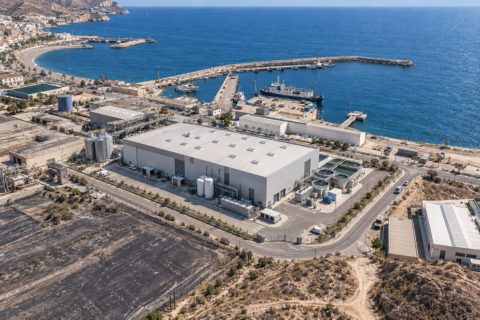
Ocean Aquaculture begins work on Spain hatchery designed to produce eight million greater amberjack juveniles a year
Almería, Spain, 9 September 2026 | The first phase will involve an investment of around €15 million and is expected to begin production in January 2028, supplying both the group’s future offshore farms and other Mediterranean producers