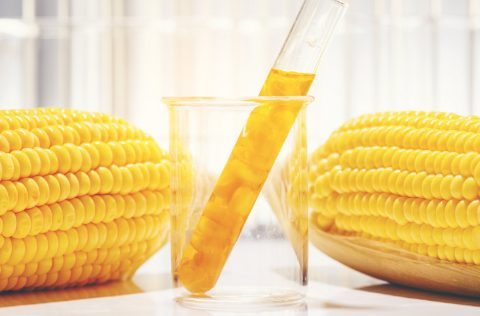
In 2023, the European renewable ethanol industry produced 6.5 million tonnes of food co-products, notably Distillers Dried Grains with Solubles (DDGS), a protein-rich raw material that has shown great potential as an ingredient for fish feed, reducing the use of traditional fishmeal.
According to the latest report from ePURE, the association’s members produced 5.08 million tonnes of renewable ethanol from crops exclusively grown in Europe, such as corn, wheat, and other cereals. However, the most remarkable impact highlighted by the report is that these biorefineries generated more food and feed products than fuel, providing a sustainable, protein-rich source for animal feed.
Incorporating these ingredients into aquaculture feed helps reduce the carbon footprint associated with raw materials due to their lower dependence on fossil energy. This is achieved either because they are produced using renewable energy or due to their local origin, reducing the need for transportation.
Studies support the use of DDGS in aquaculture
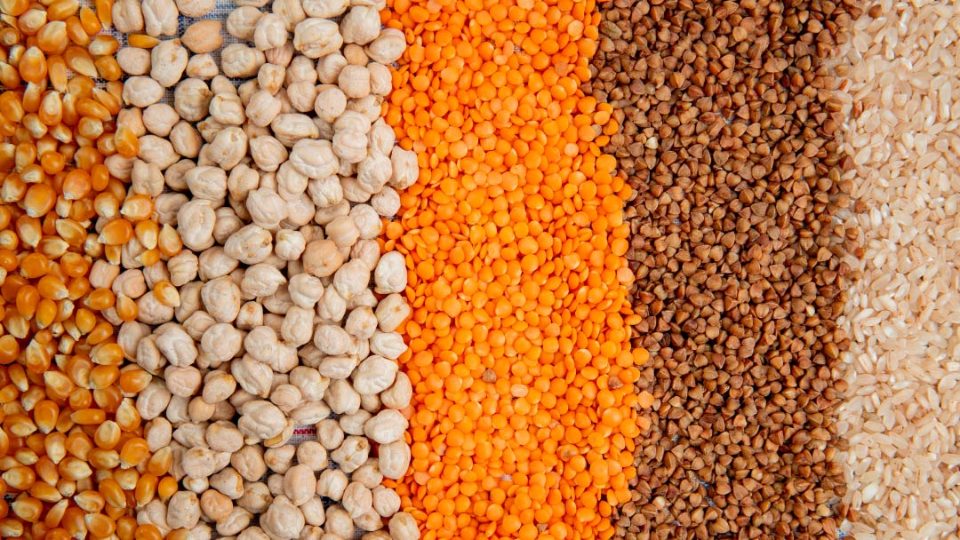
The use of corn solubles in aquaculture has proven to be an innovative and sustainable solution for feed formulation, partially replacing traditional ingredients like fishmeal and soy. By-products of the ethanol production process, such as DDGS and fermented corn protein, have attracted the attention of aquaculture nutritionists due to their high nutritional properties, particularly in terms of protein, fibre, and fat content.
These ingredients, subjected to processes such as solid-state fermentation (SSF), have been tailored to the specific needs of various farmed fish species, including European seabass, catfish, rainbow trout, and turbot. Studies have demonstrated that DDGS can efficiently replace fishmeal without negatively affecting fish growth, provided additives like phytase are included to improve the digestibility of nutrients such as phosphorus.

Related

Latest In-depth
-
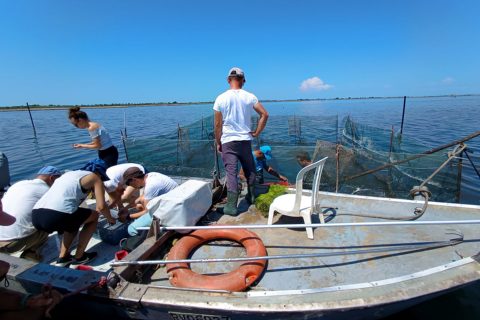
Clams more resistant to heat and Perkinsus: research paves the way for selective breeding
Padua, Italy, 16/10/2026 | University of Padua researchers explain to misPeces the findings presented at Aquaculture Europe 2026 and the steps needed to transfer them to hatcheries. Initial applications could emerge within the next two or three years, although the relationship between resistance, growth and other production traits still need to be assessed