
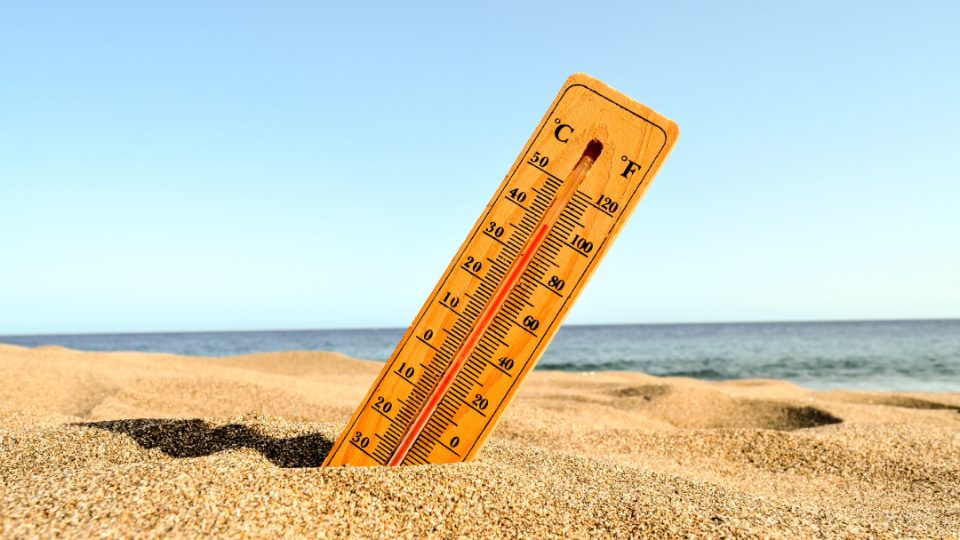
Climate change is significantly affecting crustacean species worldwide, posing serious challenges for these economically important animals. These creatures are especially susceptible to warming oceans because their body temperature is regulated by their environment. Consequently, even minor changes in ocean temperature can disrupt their metabolism, growth, reproduction, and survival.
According to experts, “decapod crustaceans -shrimp, lobsters, crayfish, and crabs are among the most economically significant species in aquaculture due to their high market value and popularity as seafood. They emphasise that “understanding these challenges is essential for sustaining productivity and promoting adaptive management in a warming world.”
Studies identify several key risks associated with increasing ocean temperatures. These include higher susceptibility to diseases, reduced availability of oxygen in warmer waters, and disruptions in the timing of moulting and reproduction. Such stressors can weaken populations and make the less resilient to other pressures such as overfishing.
In addition, experts warn that climate-driven changes in distribution are already being observed. Some crustacean populations are moving towards cooler waters, which could have major consequences for local fisheries and aquaculture industries.
They recommend “enhancing the resilience of crustacean aquaculture under climate-induced thermal stress will require a combination of improved understanding of physiological responses, responsible application of emerging technologies, and adaptive management practices tailored to local ecological and socio-economic realities.”
Expert call for closer collaboration between scientists, policymakers, and the aquaculture sector to ensure that effective measures are taken. The study emphasizes that without proactive strategies, the economic and ecological role of crustaceans could be severely compromised in the coming decades.

Related

Latest In-depth
-
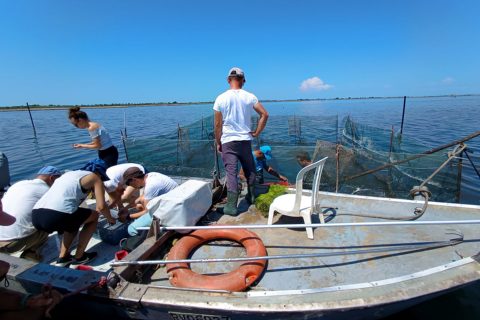
Clams more resistant to heat and Perkinsus: research paves the way for selective breeding
Padua, Italy, 16/10/2026 | University of Padua researchers explain to misPeces the findings presented at Aquaculture Europe 2026 and the steps needed to transfer them to hatcheries. Initial applications could emerge within the next two or three years, although the relationship between resistance, growth and other production traits still need to be assessed