
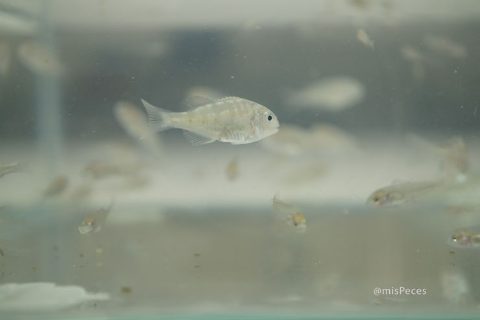
In recent years, advancements in aquaculture research have demonstrated that the proper supplementation of essential minerals can significantly impact the success of fish farming. Among the key minerals are selenium, zinc, and manganese, whose antioxidant properties and effects on bone mineralisation are fundamental for the healthy growth of fish in their early stages of life.
Selenium is essential for thyroid hormone metabolism, antioxidant activity, and the proper functioning of the fish immune system. To ensure its proper absorption, it must be administered in highly bioavailable forms. Recent studies have shown that selenium yeast is a safe and effective source in aquaculture diets.
In an experiment with zebrafish (Danio rerio), a dose of 3 milligrams of selenium per kilogram of feed significantly improved growth and increased the antioxidant capacity of the fish, with notable selenium accumulation in key organs such as the liver and gills. These results can be applied to other species, such as gilthead seabream (Sparus aurata), optimising their nutrition during early life stages.
Another study in gilthead seabream demonstrated that selenium nanoparticles have high nutritional potential, showing increased growth and improved immune resistance against bacterial infections like Vibrio parahaemolyticus.
Zinc and manganese are also essential minerals for bone health. Zinc activates osteoblastic cells that form bone and prevents its degradation, which is crucial for bone mineralisation and the prevention of skeletal deformities.
Furthermore, it has been found that zinc can partially replace calcium in bones due to its similar physicochemical properties, making it a vital mineral in aquaculture diets.
Manganese also plays an important role in skeletal development and the prevention of abnormalities in fish. Recent research in seabream larvae showed that dietary levels of 200 to 270 mg/kg of manganese reduced bone deformities and enhanced the expression of antioxidant genes related to bone metabolism, without causing toxicity.
Biofortification of selenium in microalgae: An innovative solution

In the search for more sustainable practices, the use of microalgae and selenium-enriched yeast as nutrient sources in aquaculture has gained popularity. One study demonstrated that biofortified diets with omega-3-rich microalgae and organic selenium yeast can partially replace both fish meal and fish oil in seabream diets.
Fish fed with these diets not only showed optimal growth but also retained higher levels of selenium and elevated beneficial fatty acids for human consumption.
However, despite advancements in selenium, zinc, and manganese supplementation, much remains to be explored, particularly regarding nutrient interactions, toxicity thresholds, effects on product quality, long-term reproduction, species variability, and potential environmental impacts.

Related

Latest In-depth
-
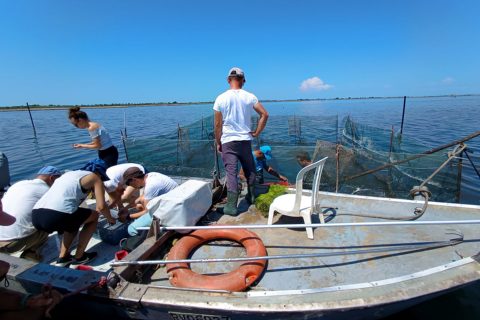
Clams more resistant to heat and Perkinsus: research paves the way for selective breeding
Padua, Italy, 16/10/2026 | University of Padua researchers explain to misPeces the findings presented at Aquaculture Europe 2026 and the steps needed to transfer them to hatcheries. Initial applications could emerge within the next two or three years, although the relationship between resistance, growth and other production traits still need to be assessed