
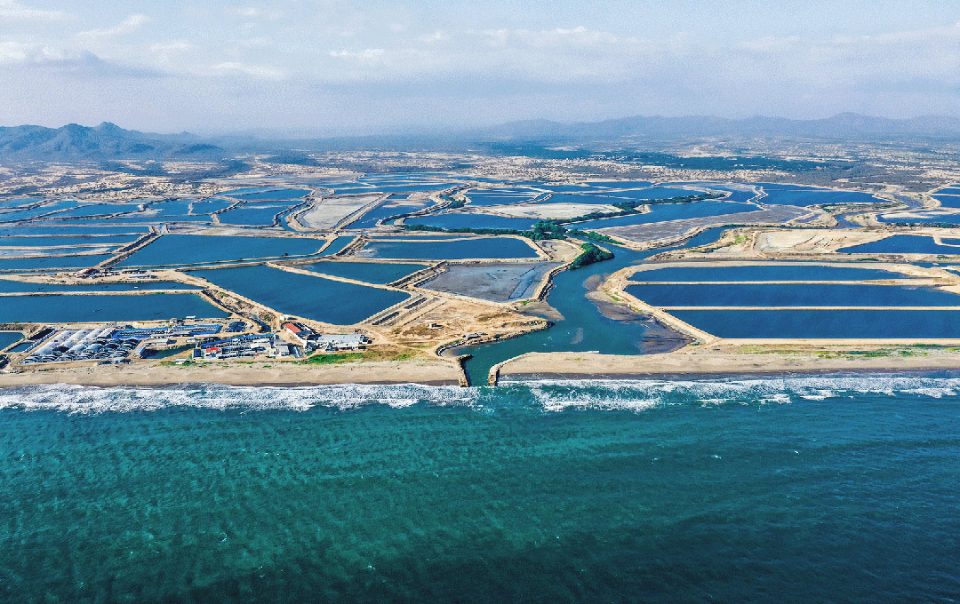
The National Chamber of Aquaculture of Ecuador recently reported on the critical situation faced by shrimp companies due to the "lack of planning" in electricity rationing and the "lack of timely communication" from the authorities.
These blackouts are due to a combination of climatic factors, such as drought and low hydroelectric generation, and technical and structural problems in the country's energy sector. The provinces most affected are Guayas, Manabí, Los Ríos, El Oro and Pichincha.
As stated by the National Chamber, the economic losses exceed 5 million dollars per day. If this situation continues, they add, these losses could accumulate to tens of millions within a few weeks, affecting both exports and the internal production of supplies, jeopardising the sustainability of the sector. In 2023, the sector positioned itself as the world's largest producer, with a value of 5.8 billion dollars and 1.3 million tonnes, ranking among one of the country's key industries.
One of the cornerstones of the production process is the manufacturing of feed for the shrimp. The factories require specific times for starting and operating the equipment, which becomes impossible without a stable electricity supply. Likewise, shrimp packing plants are unable to plan the reception, processing, packing, and storage of the product, which is crucial for meeting export commitments.
Additionally, these packing plants need to freeze the shrimp to -18 °C, a process that demands a considerable amount of energy. The lack of electricity threatens the preservation of the shrimp, compromising both the quality of the product and compliance with strict international food safety standards.
Shrimp farms are also severely affected by the lack of electricity, as water pumping to maintain adequate oxygen levels in the tanks is essential for the survival of the crustaceans.
This situation has led the National Chamber of Aquaculture to request that the National Government implement a differentiated approach to power rationing for industrial zones, such as the cantons of Durán and Yaguachi in Guayas province, where industrial demand is significantly higher than residential demand.
Their proposals include limiting power interruptions for the industrial sector to once a day and ensuring prior notifications of outages, allowing for better planning.
The guild has also expressed its willingness to collaborate with the authorities on joint solutions. The government's initiative to involve the private sector in electricity generation during the crisis has been well received, but there is a need for clarity regarding the implementation of these measures, including the installation of meters and the issuance of credit notes to cover the operational costs of private generators.
The shrimp sector, vital to the Ecuadorian economy, urgently calls on the authorities to improve the flow of information and establish more accurate planning for power cuts. Otherwise, the industry faces an uncertain future that would affect not only production but also the livelihoods of thousands of families who depend on this activity.

Related

Latest In-depth
-
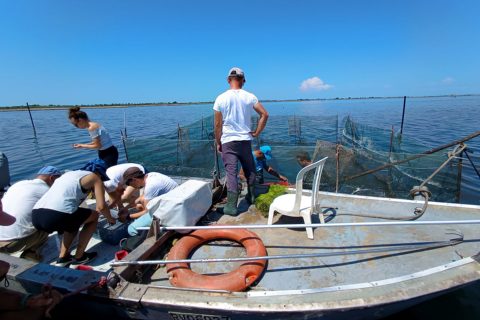
Clams more resistant to heat and Perkinsus: research paves the way for selective breeding
Padua, Italy, 16/10/2026 | University of Padua researchers explain to misPeces the findings presented at Aquaculture Europe 2026 and the steps needed to transfer them to hatcheries. Initial applications could emerge within the next two or three years, although the relationship between resistance, growth and other production traits still need to be assessed