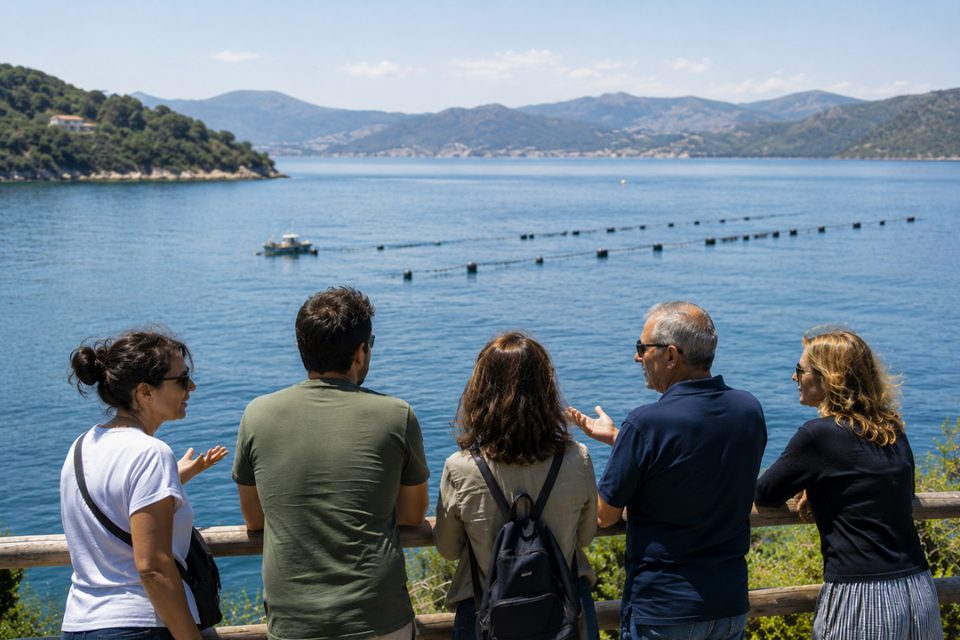
Why do some communities view aquaculture as a beneficial activity while others remain sceptical, even when they have lived alongside it for years? According to a new international study, the answer may have less to do with physical proximity to farms and more with how people receive, interpret and process information.
The research, carried out in coastal communities in Chile and Vietnam, examined how different cognitive biases shape public perception of aquaculture. The findings suggest that opinion about the sector are not formed solely through direct experience or access to technical knowledge, but also influenced by mental shortcuts that affects the way information is interpreted.
Researchers found that many people tend to evaluate information through the lens of their existing beliefs, personal experiences and trusted sources, even when evidence is available that could challenge or refine those views. This can contribute to the persistence of misconceptions or oversimplified narratives about the environmental, economic and social impacts of aquaculture.
One of the study’s most significant findings is that geographical proximity to aquaculture facilities does not necessarily lead to a more accurate understanding of the industry. In some cases, perceptions were more strongly linked to the information channel used by respondents than to their actual level of interaction with aquaculture.
According to the authors, these results highlight the need for more effective communication strategies across the sector. Campaigns based solely on the dissemination of scientific data or generic messaging may have limited impact. If they fail to consider how different audiences interpret information.
The study also underscores the importance of understanding which sources are regarded as trustworthy by local communities. The credibility of public institutions, media outlets, environmental organisations and aquaculture producers themselves can play a decisive role in shaping support for, or opposition to, aquaculture development.
For the industry, the findings reinforce the idea that a social licence to operate depends not only on environmental and production performance, but also on the ability to build trust and engage effectively with local stakeholders.
At a time when competition for coastal space is increasing and food production systems are subject of greater public scrutiny, understanding how social perception are formed may become a strategic factor in the sustainable development of aquaculture.

Related
Latest In-depth
-
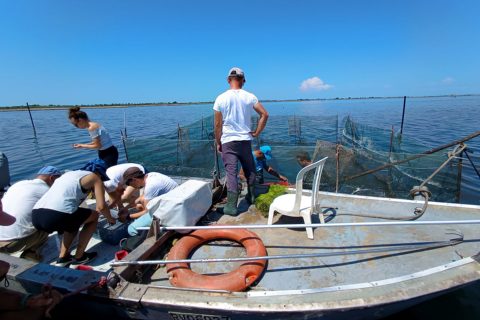
Clams more resistant to heat and Perkinsus: research paves the way for selective breeding
Padua, Italy, 16/10/2026 | University of Padua researchers explain to misPeces the findings presented at Aquaculture Europe 2026 and the steps needed to transfer them to hatcheries. Initial applications could emerge within the next two or three years, although the relationship between resistance, growth and other production traits still need to be assessed