
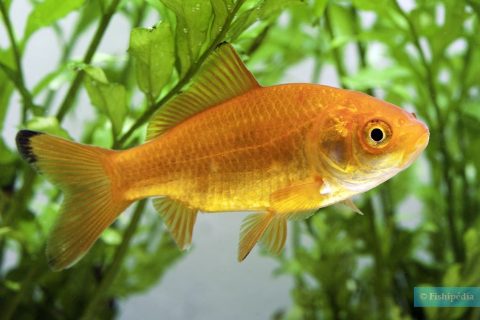
The nutritional characteristics of Spirulina, which include a high content of vegetable protein, essential vitamins, and carotenoids, can also be utilized in the field of ornamental aquaculture to improve the pigmentation of the goldfish (Carassius auratus) and black molly (Poecilia sphenops), as derived from a study by researchers at Veet Narmad South Gujarat University in India.
The research aimed to assess not only the efficacy of Spirulina in terms of colour improvement but also its impact on growth and survival rates of these fish when cultivated under controlled laboratory conditions. The study employed an experimental design where the fish were fed diets enriched with Spirulina and compared with a control group fed standard commercial diets.
The results obtained indicated promising outcomes for the goldfish, showing significant improvements in various growth and pigmentation parameters.
On the other hand, the black molly, although the survival rate was 100%, the other parameters did not show significant improvements. This suggests that the response to the diet can vary significantly among different fish species, which could guide future research and practical applications of Spirulina in ornamental aquaculture.
In the study, the recommended amount of Spirulina in the feeds for ornamental fish was 45 grams per kilogram of feed. This proportion was part of the experimental diet used to assess the effects on the growth and pigmentation of the goldfish and black molly.

Related

Latest In-depth
-
Clams more resistant to heat and Perkinsus: research paves the way for selective breeding
Padua, Italy, 16/10/2026 | University of Padua researchers explain to misPeces the findings presented at Aquaculture Europe 2026 and the steps needed to transfer them to hatcheries. Initial applications could emerge within the next two or three years, although the relationship between resistance, growth and other production traits still need to be assessed