
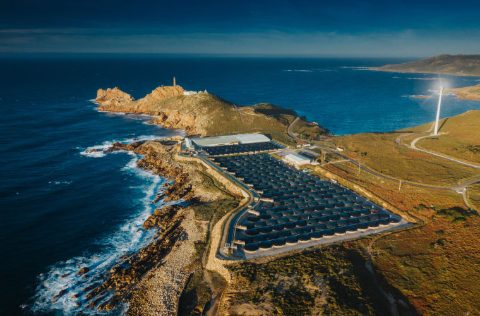
Stolt Sea Farm (SSF), the land-based aquaculture division of Stolt-Nielsen, has continued to strengthen its long-term growth strategy after reporting solid financial results for the first half of 2026. Revenue increased to USD 77.0 million, up 25% from the same period last year, while operating profit rose to USD 21.4 million, compared with USD 18.1 million a year earlier.
According to the company's interim report, the improved performance was primarily driven by higher market prices for both turbot and sole. During the first six months of the year, turbot prices increased by 18.4%, while sole prices rose by 6.2%, with sales volumes remaining broadly stable.
The company noted that these gains were partially offset by higher production costs per kilogram of turbot, together with increased administrative and commercial expenses linked to its ongoing expansion programme.
The financial results come at a particularly significant moment for the company. Just two days before releasing its quarterly figures, Stolt Sea Farm officially inaugurated its new sole hatchery in Cervo (Galicia, Spain) and laid the foundation stone for its RAS 2 expansion project, one of the key milestones in its long-term investment programme.
The new hatchery adds more than 7,000 square metres of production space and will enable annual sole production to exceed 500 tonnes. The project received EUR 13.2 million in public support, co-financed through the European Maritime, Fisheries and Aquaculture Fund (EMFAF), and is expected to create 26 direct and 50 indirect jobs in the A Mariña region of Galicia.
The future RAS 2 facility will further expand production capacity through a recirculating aquaculture system capable of reusing between 95% and 99% of the water, reinforcing the company's commitment to highly efficient land-based aquaculture.
Carlos Tavares explains how Stolt Sea Farm is preparing its next phase of growth
Beyond the financial results, Stolt Sea Farm's strategy is built around a long-term vision. In an interview with misPeces, Carlos Tavares, the company's Director of Sustainability and Public Relations, explained that Stolt Sea Farm aims to "double our current size over the next ten to fifteen years."
To achieve this, the company is developing two new RAS sole farms, one in Cervo and another in Portugal, which together will add approximately 1,000 tonnes of annual sole production capacity.
The expansion also extends to processing. Stolt Sea Farm is planning a new processing and packaging facility in Rianxo (Galicia) to support the increase in production and further strengthen the company's vertically integrated business model.
Portugal represents the second major pillar of this growth strategy. According to Tavares, the company plans to build what will become its largest sole production facility in Figueira da Foz, while Viana do Castelo will host a major new turbot production project.
Strong market fundamentals support long-term growth
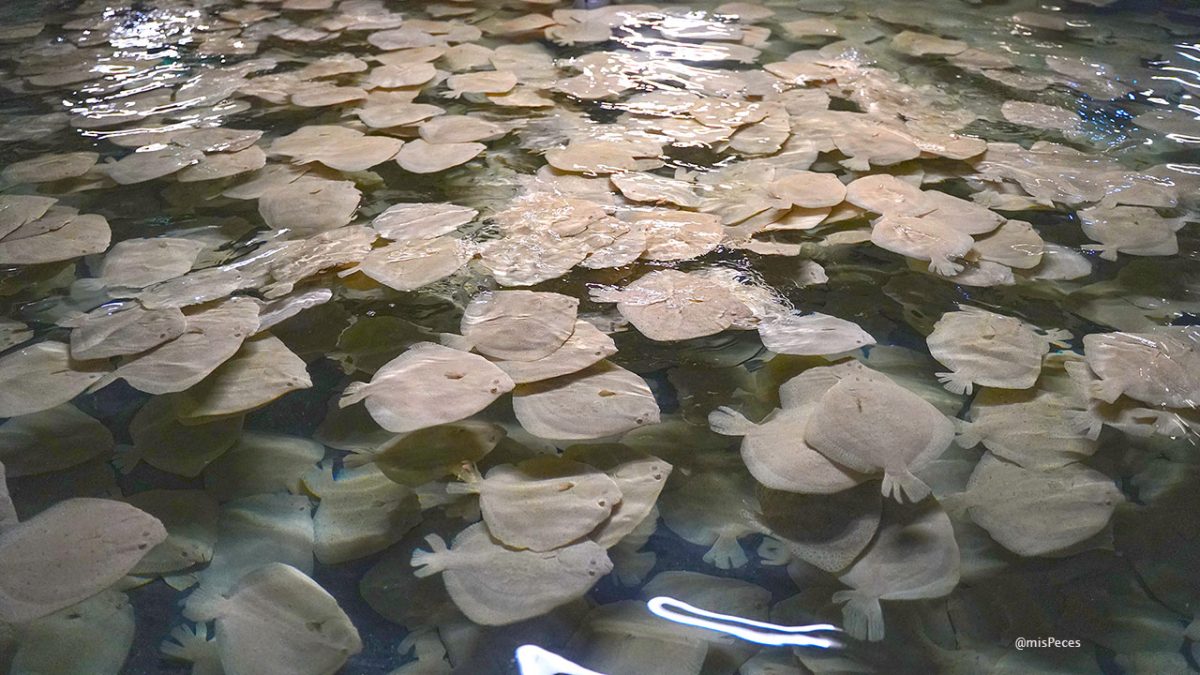
Stolt-Nielsen believes market conditions for both sole and turbot remain favourable. In its interim report, the company states that stronger prices during the first half of 2026, combined with the long-term decline in wild catches of both species and the continued execution of Stolt Sea Farm's growth strategy, are expected to support solid future performance.
It also notes that capital investment programmes aimed at expanding sole production capacity are progressing well.
Supported by favourable market conditions, significant capital investment and industrial expansion, Stolt Sea Farm is pursuing one of the most ambitious growth strategies currently underway in European aquaculture.
By simultaneously expanding farming capacity, processing infrastructure and its operational footprint across Spain and Portugal, the company is further strengthening its position as one of the world's leading producers of turbot and sole.

Related

Latest In-depth
-
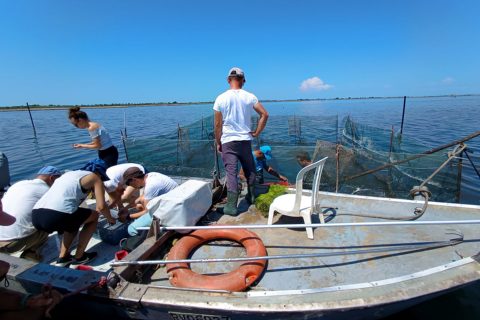
Clams more resistant to heat and Perkinsus: research paves the way for selective breeding
Padua, Italy, 16/10/2026 | University of Padua researchers explain to misPeces the findings presented at Aquaculture Europe 2026 and the steps needed to transfer them to hatcheries. Initial applications could emerge within the next two or three years, although the relationship between resistance, growth and other production traits still need to be assessed