
Aquaculture is already the primary source of aquatic-origin protein and an integral part of the diet of many Europeans, also being seen as an economic driver for many coastal and rural communities. However, despite its growth and potential impact on the global economy and society, in Europe these socioeconomic aspects do not always receive the attention they deserve.
In this opinion piece, I want to explore the importance of considering the socioeconomic impacts of aquaculture in Europe, the reasons behind this need, and assess whether enough attention is being given to these aspects.
Aquaculture in Europe provides employment to thousands of people, especially in rural and coastal areas where other job opportunities may be limited. This sector not only creates direct employment in fish farming and processing but also generates jobs in auxiliary industries such as equipment manufacturing, transportation, and services. For example, in Greece, aquaculture has been crucial in providing income during the years of economic crisis, demonstrating how the sector can serve as an economic pillar in times of financial hardship.
In Galicia, the mussel and shellfish sectors have proven to be more than just a source of food production and income for numerous families. They have become a cultural tradition that defines ways of life and practices, with their products being highly recognized in the gastronomic and tourism sectors.
Aquaculture in rural inland areas has the potential to diversify traditional economic activities. A clear example is the approach taken in Hungary, where fish farms have adopted a multifunctional approach, diversifying their activities to include additional services and products.
So, why isn't more attention being given to it by academia?
Although there is a growing awareness of the importance of aquaculture in Europe, it seems that there is still a lack of adequate attention to its socioeconomic impacts. At the political level, the EU’s Common Fisheries Policy and other regulations have primarily focused on environmental sustainability and resource management, while socioeconomic aspects have received less direct focus.
Greater academic effort toward conducting scientific studies that pay more attention to the socioeconomic opportunities of aquaculture in Europe would help policymakers make informed decisions that consider all relevant factors, ensuring that the benefits of this activity are distributed equitably and that coastal communities are not left behind or trapped in tourism monoculture as their only alternative.
Policymakers, businesses, and communities must work closely together to ensure that the development of aquaculture is inclusive and benefits all sectors of society. This is why it is important to have scientific evidence of the potential benefits of aquaculture in various regions.

Related

Latest In-depth
-
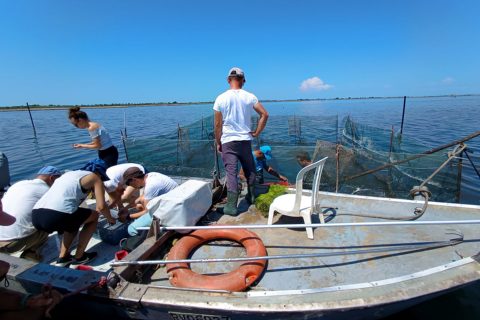
Clams more resistant to heat and Perkinsus: research paves the way for selective breeding
Padua, Italy, 16/10/2026 | University of Padua researchers explain to misPeces the findings presented at Aquaculture Europe 2026 and the steps needed to transfer them to hatcheries. Initial applications could emerge within the next two or three years, although the relationship between resistance, growth and other production traits still need to be assessed