A team of researchers from various prestigious European institutions set out to discover the new “Holy Grail” of nutrition by asking whether a single nutrient source could truly replace fishmeal and fish oil. The answer is clear: there is no single raw material capable of providing the amino acid and omega-3 lipid profile in the same way as these marine ingredients.
However, after a scientific review, they concluded that the “most promising solution” lies in a combination of alternative ingredients that, together, can offer a balance between economic, social and environmental sustainability.
In their analysis, the researchers explore the role of microalgae, insects, single-cell protein, and krill, and with its own strengths and limitations as ingredients.
For example, microalgae are highlighted as one of the best nutritional alternatives due to their high content of omega-3 fatty acids (EPA and DHA), protein, and other essential nutrients. Moreover, they are a sustainable and environmentally friendly source. However, their high production costs are seen as a limitation to their widespread use.
Insect meal, particularly the black soldier fly (Hermetia illucens), is also considered highly interesting, given its high protein content and low environmental footprint. Nonetheless, it lacks sufficient omega-3 fatty acids, which may necessitate additional supplementation.
Krill meal is a high-quality protein source and contains good levels of omega-3 fatty acids, as well as astaxanthin, which is beneficial for fish pigmentation. Yet, its cost and potential for fluoride accumulation in fish limit its broad application.
Single-cell proteins, derived from bacteria and fungi, are promising due to their digestibility and amino acid profile. Their production remains costly, but upcoming technological advances are expected to close this gap.
Terrestrial animal by-product meal (PAPs) are an economically viable and widely available option, although they have significant limitations in terms of fatty acid profiles and potential regulatory concerns, particularly in Europe.
Experts also warn that the path towards a more sustainable future in aquaculture does not lies in finding a single miracle ingredient, but rather in developing a multifaceted that combines novel ingredients, technological innovations, and integrated production models to address the complex challenges facing the sector.

Related

Latest In-depth
-
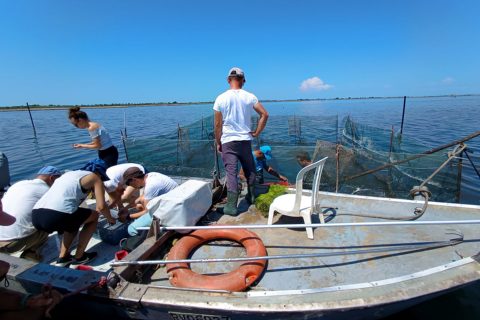
Clams more resistant to heat and Perkinsus: research paves the way for selective breeding
Padua, Italy, 16/10/2026 | University of Padua researchers explain to misPeces the findings presented at Aquaculture Europe 2026 and the steps needed to transfer them to hatcheries. Initial applications could emerge within the next two or three years, although the relationship between resistance, growth and other production traits still need to be assessed