
Tunisia has published two new orders affecting sanitary controls in aquaculture and other food-producing animals. Dated 9 November and published the following day in the Journal officiel de la République Tunisienne, the texts regulate the use and authorisation of veterinary antimicrobials and establish the national control programme for pharmacologically active substances in aquatic animals.
The first order sets out the conditions governing the use and authorisation of veterinary antimicrobials. Official controls will include inspections, sampling and documentary checks to verify the traceability of treatments.
Among other requirements, antimicrobials must be prescribed by a veterinarian and administered under veterinary responsibility.
The second order applies specifically to food-producing aquatic animals. It defines the scope, implementation and management of the control programme for residues of pharmacologically active substances.
The selection of substances, species and production categories will be risk-based, taking account of veterinary-medicine and aquatic-feed-additive authorisations, frequency of use, detected non-compliances and antimicrobial-resistance data.
The regulatory update comes days before a European Commission delegation is expected to visit Tunisia, from 16 to 20 November, to assess the national surveillance system for residues and contaminants.
However, no official statement directly links the adoption of the orders to the forthcoming audit.

Related
Latest In-depth
-
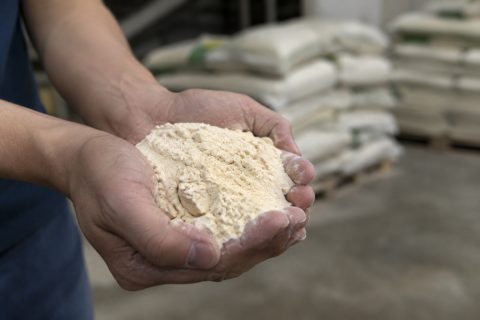
Protein hydrolysates: why they are not all the same
Global, 9 November 2026 | Trials point to promising applications, but each product needs to be characterised and validated on its own merits