

A recent study led by Carole Engle of Stone Aquatics LLC, a renowned expert in aquaculture with over 40 years of research experience, has highlighted the significant contribution of US aquaculture farms to the national economy. It is estimated that the total impact of aquaculture farms on the country's economy was approximately $20.7 billion in 2021, a figure that underscores the growing importance of this sector within the country's economic framework.
The report, published in the World Aquaculture Society, states that the direct economic impact was $5.6 billion, indicating a significant contribution of aquaculture farms to national GDP through the direct production and sale of aquaculture products. The indirect economic impact was $3.8 billion through the supply chain and related services. Finally, the induced impact was $3.4 billion, representing the multiplier effect in the economy through the spending of workers employed in aquaculture and related sectors.
Key regions for aquaculture development such as Mississippi, Washington and Maine are highlighted. These areas have been identified as the most important for fish, shellfish and seaweed production in the country, generating significant economic impact not only locally but also nationally.
It also highlights that more than 69,000 jobs are directly related to aquaculture nationally, underlining the importance of the sector in creating jobs, particularly in rural areas. The report notes that these jobs include not only direct work on aquaculture farms, but also in the supply chain, related services and trade.
Despite these successes, several challenges have been identified that could limit the growth of the aquaculture sector. These include global competition, stringent regulations and environmental concerns. On the other hand, the report identifies significant opportunities for the sector to expand, especially if new technologies and sustainable practices are adopted.
In the area of public policy, the need for regulations that balance economic growth with environmental sustainability is emphasised. It is suggested that favourable policies could stimulate innovation in the aquaculture sector, thereby facilitating more robust and sustainable growth.
Finally, the report notes that demand for aquaculture products is expected to continue to grow, driven by demographic trends and changes in dietary preferences. To meet this demand, it was recommended that strategies be implemented to encourage investment in aquaculture and ensure its development as a vital component of the US economy.
While providing valuable information, the study does not explore strategies that could strengthen the global competitiveness of the US aquaculture sector and its interaction with other sectors of the economy, such as coastal tourism or commercial fishing, which would provide a more integrated view of aquaculture's role in the economy.
Nor does it discuss how investment in research and development could drive new technologies and practices that could benefit the aquaculture sector, particularly in areas such as genetic improvement, sustainable feed and waste management.

Related

Latest In-depth
-
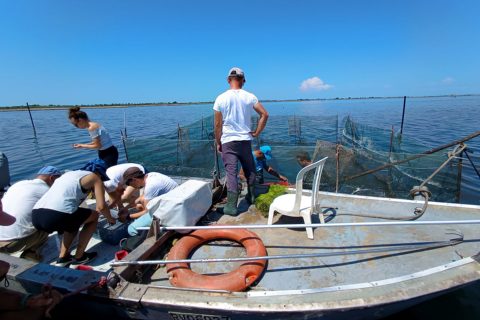
Clams more resistant to heat and Perkinsus: research paves the way for selective breeding
Padua, Italy, 16/10/2026 | University of Padua researchers explain to misPeces the findings presented at Aquaculture Europe 2026 and the steps needed to transfer them to hatcheries. Initial applications could emerge within the next two or three years, although the relationship between resistance, growth and other production traits still need to be assessed