
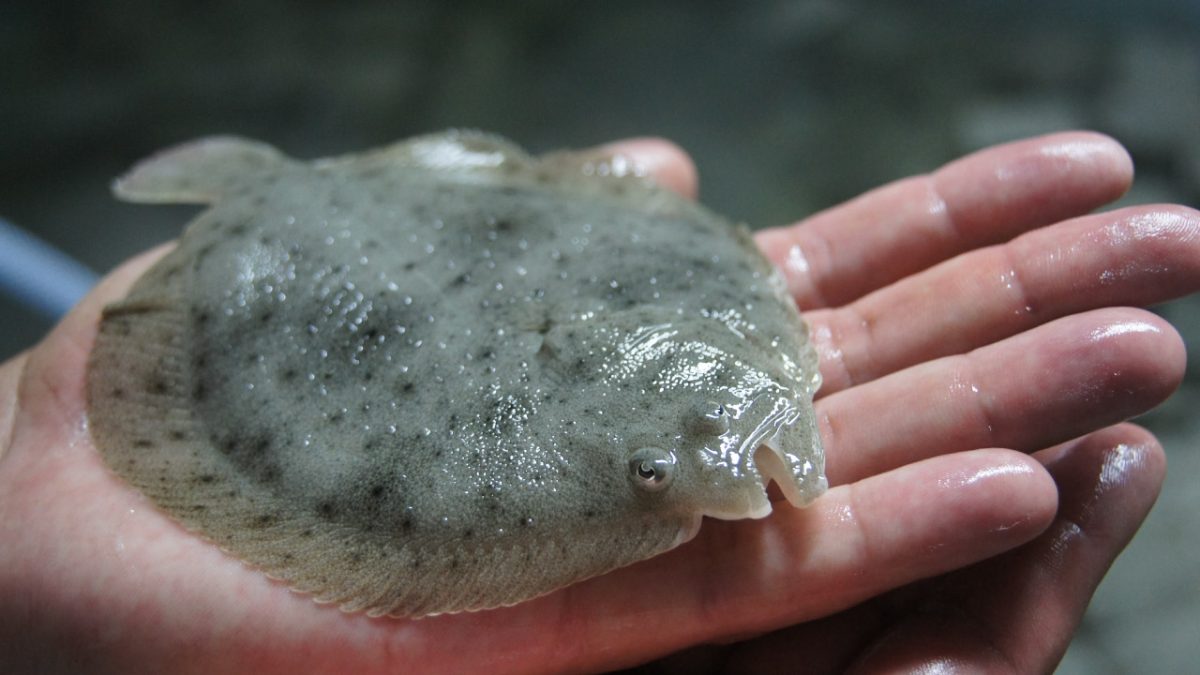
Adapting fish feeding to their circadian rhythms is one of the most recommended strategies by experts. This approach can help optimize both the welfare and productive performance of aquaculture systems.
However, implementing this feeding strategy is not always straightforward, particularly in systems where, for various reasons, such as the lack of automation or precise control of environmental parameters, it isn’t feasible.
The situation is different for species like turbot (Scophthalmus maximus), which is reared in recirculating aquaculture systems (RAS). In these systems, there are several key benefits, both for managing the circadian cycle and for the fish’s metabolism in a suitable way, as RAS environments are highly controlled and stable.
In a study conducted by researchers at the Alfred Wegener Institute and the University of Rostock in Germany, 46 key metabolites were identified in the blood plasma of fish, revealing their relationship to stress.
These parameters are linked to the fish’s metabolism and stress response and include glucose, lactate, cortisol, lysozymes, and several amino acids such as isoleucine, leucine, vanile, phenylalanine, and lysine.
According to the study, which was published in the scientific journal Metabolomics, the most suitable feeding times for turbot in recirculating aquaculture systems appear to be around 3 p.m., when peaks in amino acids and lactate levels were observed in the blood plasma.
These peaks may be associated with the fish’s natural metabolism or their adaptation to feeding times, indicating this is an optimal time to feed them, minimizing stress and enhancing feed conversion efficiency.
By identifying the key metabolic parameters, a strategy can be devised to align feeding schedules with the times when the fish are most active, which additionally helps to lower the risk of disease outbreaks.
Given the findings, this research not only suggests a more efficient approach for producers but also underscores the importance of considering fish welfare in aquaculture systems.
Reference:
Petereit, J., Lannig, G., Baßmann, B., Bock, C., & Buck, B.H. (2024). Circadian rhythm in turbot (Scophthalmus maximus): daily variation of blood metabolites in recirculating aquaculture systems. Metabolomics, 20, 23.

Related

Latest In-depth
-
Clams more resistant to heat and Perkinsus: research paves the way for selective breeding
Padua, Italy, 16/10/2026 | University of Padua researchers explain to misPeces the findings presented at Aquaculture Europe 2026 and the steps needed to transfer them to hatcheries. Initial applications could emerge within the next two or three years, although the relationship between resistance, growth and other production traits still need to be assessed