
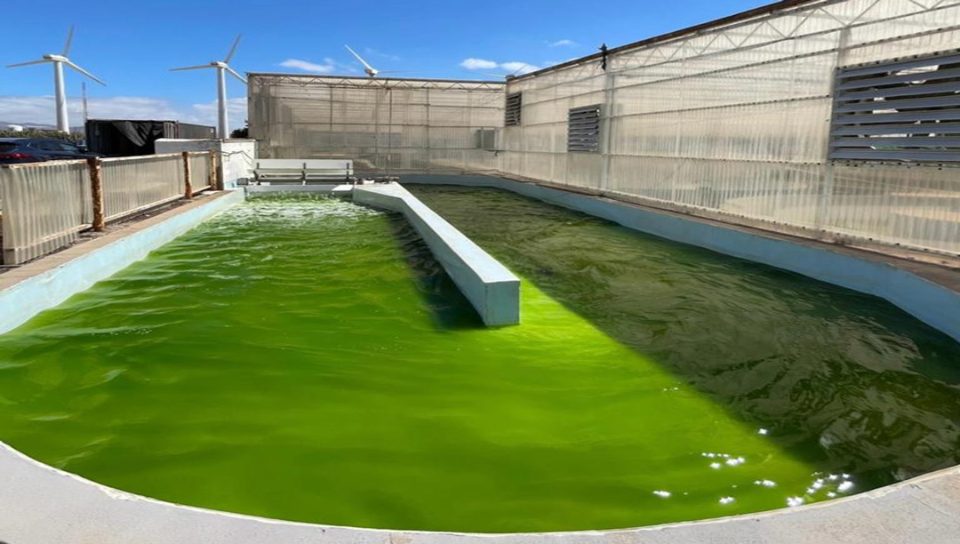
Over the past few years, hardly a month has gone by without a new study showing that a particular microalgal species can partially or completely replace fishmeal or fish oil aquafeeds without causing apparent negative effects on fish performance or product quality.
The evidence is now extensive. Studies on gilthead seabream, European seabass and rainbow trout have reported encouraging results with microalgae such as Schizochytrium, Nannochloropsis, Tetraselmis, Isochrysis, Chlorella and Phaeodactylum, among others.
Collectively, these studies demonstrate that microalgae can be incorporated into aquafeeds without compromising growth, health, immune status or fish physiology.
Yet despite this growing body of scientific evidence, the actual volume of microalgae currently used in global aquafeed manufacturing remains relatively small.
The main constraint is no longer biological. It is industrial.
A shift in the scientific question
For this reason, the key question is no longer whether fish can grow on diets containing microalgae, whether they remain healthy, or whether fillet quality is maintained.
Those questions have largely been answered. The industry now needs a different set of answers.
What does it really cost to produce a tonne of microalgal biomass? How much energy is required? How consistent is production from one batch to another? Can supply be guaranteed at scale? How does inclusion affect the final cost of feed? What inclusion levels are realistically achievable in commercial formulations?
Bringing research closer to business reality
Ultimately, research must move closer to the operational realities faced by feed manufacturers and fish farmers.
The next generation of studies should focus less on proving that fish can grow with microalgae and more on determining whether producers, feed companies and supply chains can grow with them.
That is where the next major challenge lies.
And what is where the next scientific breakthroughs may have the greatest impact on the future of aquaculture.

Related

Latest In-depth
-
Clams more resistant to heat and Perkinsus: research paves the way for selective breeding
Padua, Italy, 16/10/2026 | University of Padua researchers explain to misPeces the findings presented at Aquaculture Europe 2026 and the steps needed to transfer them to hatcheries. Initial applications could emerge within the next two or three years, although the relationship between resistance, growth and other production traits still need to be assessed