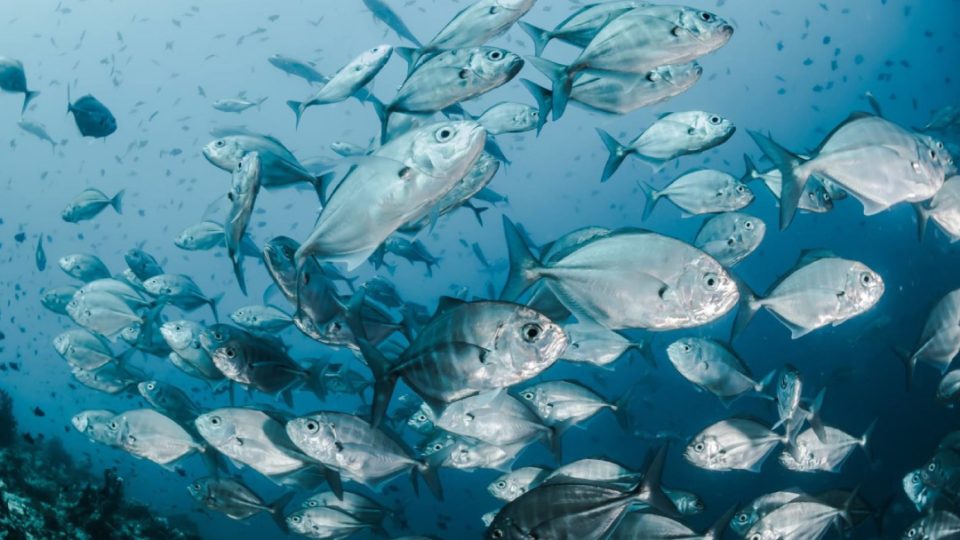
Researchers from FishEthoGroup, in collaboration with the Swiss platform fair-fish, have developed an innovative tool designed to evaluate and improve the welfare of fish in aquaculture.
Known as WelfareCheck, this tool draws on extensive scientific data, analysing the natural needs of aquatic species and the conditions in which they are farmed.
WelfareCheck aims to accurately identify areas where improvements can be made, offering a clear framework for implementing changes that not only enhance animal welfare but also contribute to the sustainability and efficiency of aquaculture systems.
According to the developers of WelfareCheck, with further research and the application of this tool, the welfare of farmed fish could reach higher levels, improving their quality of life and encouraging more ethical production practices.
The authors behind WelfareCheck include Caroline Marques Maia, João Luis Saraiva, and Eliane Gonçalves-de-Freitas, all members of the FishEthoGroup Association. They work at institutions such as the Centre of Marine Sciences (CCMAR) in Portugal and the UNESP Aquaculture Centre in Brazil.
WelfareCheck can be applied in aquaculture farms to pinpoint areas where fish welfare needs improvement. For instance, if a species is being farmed in cages that do not accommodate its natural depth range, the system will flag this issue and suggest adjustments, such as using deeper ponds to improve the living conditions of the fish.
Additionally, as highlighted by the authors, the tool evaluates other critical aspects, such as reducing stress during handling and transport, which has been identified as an area in urgent need of improvement. It also analyses slaughter practices, helping producers adopt more humane methods that minimise animal suffering.
One of the most promising findings from WelfareCheck, they add, is that improving reproductive conditions for fish can significantly enhance their welfare. Similarly, introducing substrates and environmental enrichment has proven effective in promoting natural behaviours, which helps reduce stress and increase the quality of life for farmed species.
On the other hand, the tool also highlights areas where knowledge is still limited, such as aggression between fish and deformities, emphasising the need for further research in these areas.
Importantly, WelfareCheck does not merely diagnose problems; it offers a clear path for implementing practical solutions. Aquaculture producers can use this tool to improve conditions in their facilities, promoting a more ethical model of aquaculture aligned with the natural needs of the species. This benefits not only the animals but also contributes to more sustainable and profitable production.
With further research and the widespread application of WelfareCheck, fish welfare in the aquaculture industry could reach unprecedented levels, improving both the lives of the animals and the public perception of aquaculture practices.

Related

Latest In-depth
-
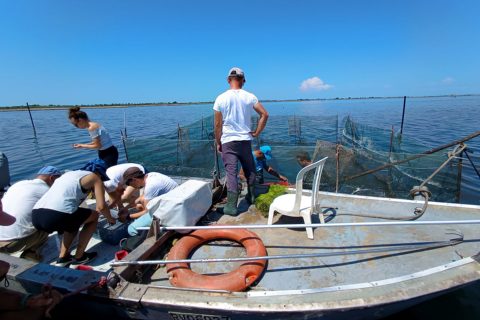
Clams more resistant to heat and Perkinsus: research paves the way for selective breeding
Padua, Italy, 16/10/2026 | University of Padua researchers explain to misPeces the findings presented at Aquaculture Europe 2026 and the steps needed to transfer them to hatcheries. Initial applications could emerge within the next two or three years, although the relationship between resistance, growth and other production traits still need to be assessed