During the presentations at AQUA 2024, participating experts emphasized that improving productive performance in aquaculture can be achieved through nutrition optimization, genetic enhancement, the use of advanced technology, effective disease control, and the adoption of sustainable practices such as Integrated Multi-Trophic Aquaculture (IMTA), among others.
These key areas not only increase efficiency and productivity but also promote a more sustainable and profitable aquaculture, which is crucial for the future of global food production.
One of the main focus areas is the optimization of fish feeding and nutrition. The studies presented highlighted the importance of developing more efficient and sustainable diets that include alternative ingredients such as algae and other marine resources. Adjusting the carbon-nitrogen ratio in feed was also suggested as a strategy to improve feed conversion and reduce waste, promoting faster and healthier growth of the fish.
For example, in one of the presentations, researchers from Wageningen University demonstrated how using macroalgae in fish diets not only provides a high content of essential nutrients but also reduces the use of conventional ingredients such as fish meal and soy, which may be less sustainable in the long term.
Another presentation highlighted the development of insect-based feeds, noting that these can be a rich source of protein and healthy fats, promoting faster and more efficient growth in various aquaculture species. Moreover, insects require less water and space for production, making them a more environmentally friendly option.
Adjusting the carbon-nitrogen ratio in feed was also suggested as a strategy to improve feed conversion and reduce waste. A study conducted by a team from the University of Plymouth presented results on how modifying the proportion of these elements in fish diets can lead to better digestion and nutrient absorption. By adjusting the balance between carbon and nitrogen, the excretion of nitrogenous waste into the aquatic environment is reduced, minimizing environmental impact and improving water quality in fish farms.
Another key area is genetic improvement through selective breeding. For example, a team of researchers from the University of Bergen presented a study on genetic selection in Atlantic salmon to improve resistance to common diseases such as infectious salmon anemia (ISA). By selecting individuals with greater genetic resistance to this virus, they achieved a significant reduction in fish mortality during outbreaks, which not only decreases economic losses but also reduces the need for treatments with antibiotics and other medications.
In another presentation, scientists from the Norwegian Institute of Food, Fisheries and Aquaculture Research (Nofima) demonstrated how the use of advanced genomic tools can accelerate selective breeding programs. Using techniques such as genomic selection, researchers can quickly identify and select fish with the best genetic traits for rapid growth and feed efficiency. This approach allows for faster and more precise stock improvement, optimizing the performance of aquaculture farms and increasing profitability.
Additionally, a study from the University of Stirling showed how selective breeding can be used to develop fish lines that are better adapted to changing environmental conditions, such as rising water temperatures due to climate change. By selecting fish that thrive in warmer temperatures, aquaculturists can maintain high production levels even under adverse conditions, ensuring the sustainability and long-term success of their operations.
Other important areas to achieve the goal of improving productive performance and optimizing resource use include the implementation of advanced technologies for parameter control, effective disease management, and the adoption of sustainable practices such as IMTA.

Related

Latest In-depth
-
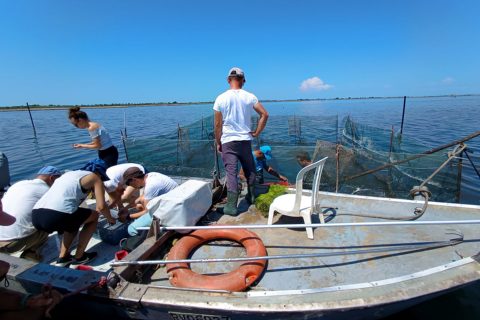
Clams more resistant to heat and Perkinsus: research paves the way for selective breeding
Padua, Italy, 16/10/2026 | University of Padua researchers explain to misPeces the findings presented at Aquaculture Europe 2026 and the steps needed to transfer them to hatcheries. Initial applications could emerge within the next two or three years, although the relationship between resistance, growth and other production traits still need to be assessed