
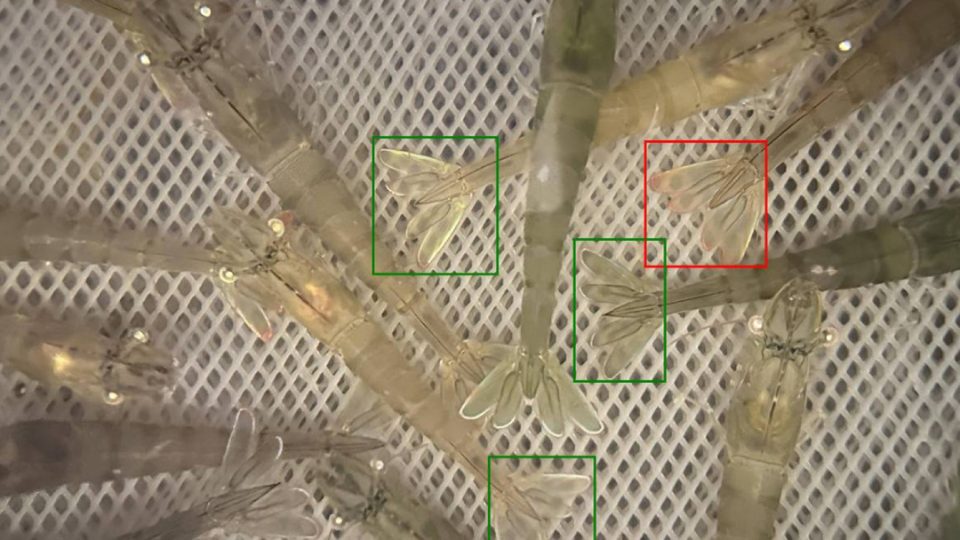
 Foto archivo: ControlShrimp
Hybrid vigour in shrimp (Litopenaeus vannamei), a genetic improvement technique in which individuals from different strains or genetic lines are crossed to produce offspring that outperform their parents in key traits such as growth, survival and disease resistance, has become a fundamental tool in aquaculture.
This technique, also known as heterosis, takes advantage of greater genetic diversity in hybrids to improve their performance under field conditions, helping to increase productivity and sustainability in the industry.
To maximise this heterosis, researchers from the Fisheries Research Institute of Fujian, China, conducted an experiment using four selected strains of Litopenaeus vannamei.
The results showed that the hybrids produced from crossbreeding these strains exhibited significant improvement, with a 16.52% increase in survival rate and an 18.93% increase in growth compared to the original parents.
This approach has generated valuable genetic resources for future breeding programmes, enhancing not only survival and growth traits but also the economic viability of shrimp farming.
What conditions are required to apply this method?
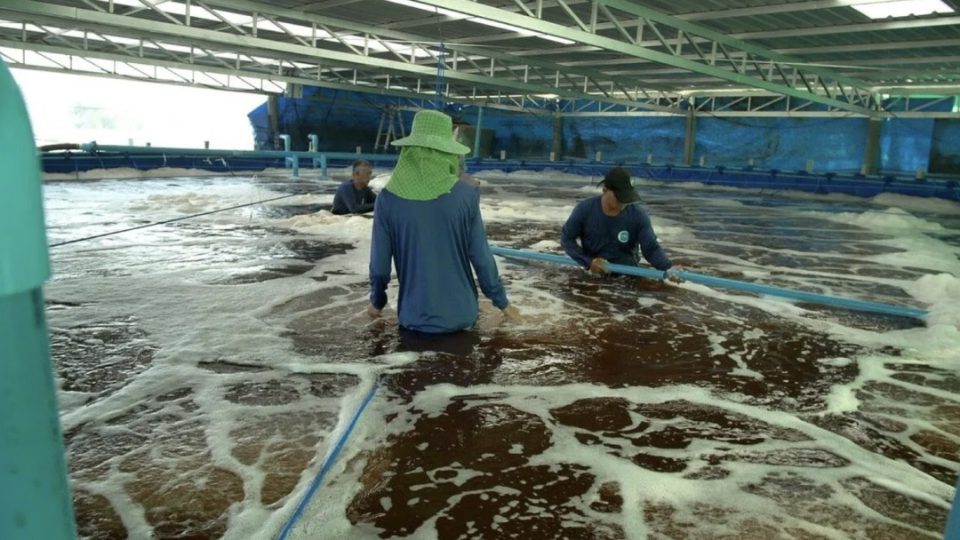
To successfully apply this method, genetic diversity must be maintained, there must be a deep understanding of the desired traits, appropriate facilities, and precise monitoring of results to optimise its success in improving productivity and sustainability, particularly in aquaculture.
It is important that this hybridisation does not affect the reproductive capacity of the shrimp. In some cases from other studies, fertility issues or changes in reproductive behaviour have been reported, which could limit the breeding programme in the long term.
It is also crucial to adapt the desired traits to resistance against specific diseases such as white spot syndrome or Taura syndrome.
These hybrids must perform well in commercial farming systems, such as intensive, semi-intensive, or biofloc systems.
In addition to enhancing productive performance, the process should have a positive impact on the final quality of the shrimp in attributes such as taste, nutritional content, and meat texture, among others.

Related

Latest In-depth
-
Clams more resistant to heat and Perkinsus: research paves the way for selective breeding
Padua, Italy, 16/10/2026 | University of Padua researchers explain to misPeces the findings presented at Aquaculture Europe 2026 and the steps needed to transfer them to hatcheries. Initial applications could emerge within the next two or three years, although the relationship between resistance, growth and other production traits still need to be assessed