

The aquaculture feeds of the future will be manufactured using a combination of alternative ingredients that are currently being studied and tested, aiming to reduce the reliance on traditional finite ingredients like fishmeal and fish oil, as well as plant-based raw materials.
How and when these ingredients will be regularly available on the market will depend on the level of innovation in ingredients and technologies, the producers of these raw materials and the ability of feed manufacturers to incorporate them. Their uptake will depend on economic, technological, regulatory and market acceptance factors.
These feeds will also be focused on improving sustainability, efficiency, and animal health. The ingredients best positioned to achieve this come from sources like insects, algae, yeasts, and other agricultural and marine by-products.
Plant-based ingredients such as soya and other seeds have played a crucial role in improving sustainability over the last few decades, thanks to the inclusion of probiotics, prebiotics and other additives that have improved digestibility, gut health in fish and shellfish, and disease resistance. However, as progress is made in developing novel ingredients that do not compete directly with human food, some of these will need to be replaced.
This will be made possible through the application of bioprocessing technologies such as fermentation and biotransformation, which have already demonstrated their potential to improve the bioavailability of nutrients in plant-based and other alternative ingredients derived from algae and insects.
Feed manufacturers already investing in the research and development of these raw materials will stand out, thanks to their ability to adapt to new technologies and ingredients. These companies are positioning themselves by forging agreements with new suppliers of novel ingredients, fully aware of the advantages and challenges they will face. Those unable to incorporate these ingredients due to technological limitations, high costs, or inconsistent supply will fall behind.

Related

Latest In-depth
-
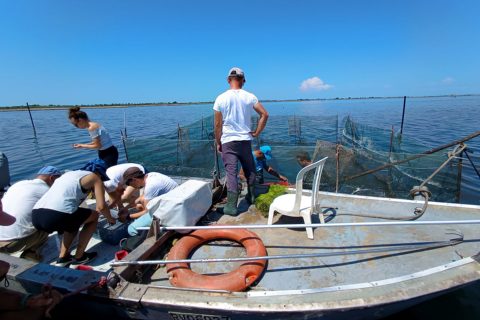
Clams more resistant to heat and Perkinsus: research paves the way for selective breeding
Padua, Italy, 16/10/2026 | University of Padua researchers explain to misPeces the findings presented at Aquaculture Europe 2026 and the steps needed to transfer them to hatcheries. Initial applications could emerge within the next two or three years, although the relationship between resistance, growth and other production traits still need to be assessed