

The World Veterinary Association has highlighted in a recent factsheet the urgent need to train more veterinarians specialized in preventive medicine and the care of farmed fish.
This call comes in the context of the rapid expansion of aquaculture in many parts of the world. As noted, over 214 million tonnes of farmed fish are produced each year globally for human consumption, with annual growth rates between 6% and 8%. This growth is driven by the increasing demand for animal protein by the world’s population.
However, as explained, this exponential growth has revealed a series of critical challenges and gaps in the care and welfare of farmed fish. Unlike terrestrial animals, whose welfare has been subject to greater scrutiny and regulation, fish often do not receive the same attention or protection, despite growing scientific evidence confirming their capacity to feel pain and suffering. This disparity is partly due to the lack of specific knowledge about the welfare, nutrition, and management needs of many fish species in captivity.
In response to these concerns, the World Veterinary Association’s document advocates for greater investment in the training of veterinarians with a specialization in aquatic medicine.
These professionals are essential to ensuring that farmed fish receive proper care, including not only the treatment of diseases but also the implementation of management practices that prevent unnecessary suffering and promote their overall well-being. Training in this field, as noted, should focus not only on clinical aspects but also on the development of sustainable systems that balance efficient production with responsible care for the environment and animals.
Furthermore, the need to promote research and the development of technologies and practices that not only improve the health and welfare of fish but also minimize the environmental impact of aquaculture is emphasized. This is particularly important in a context where sustainability has become a global priority, and the aquaculture industry has the potential to be both a solution and a challenge in terms of sustainability.
Additionally, the document urges policymakers and international organizations to develop and implement globally recognized and applicable animal welfare standards. This would include creating stricter and more detailed regulations that protect fish at all stages of aquaculture production, from breeding to slaughter. The harmonization of these standards worldwide would facilitate a more coherent and effective approach to addressing the welfare needs of farmed fish.
Finally, a call is made for investment in educational and training programs that strengthen capacities in aquatic veterinary medicine. Through adequate training, veterinarians can play a crucial role not only in the clinical care of fish but also in promoting management practices that ensure their long-term welfare, thus contributing to a more ethical and sustainable aquaculture industry.

Related

Latest In-depth
-
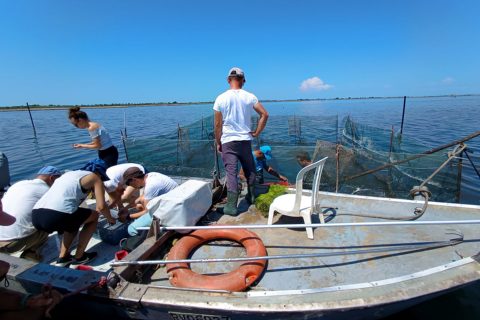
Clams more resistant to heat and Perkinsus: research paves the way for selective breeding
Padua, Italy, 16/10/2026 | University of Padua researchers explain to misPeces the findings presented at Aquaculture Europe 2026 and the steps needed to transfer them to hatcheries. Initial applications could emerge within the next two or three years, although the relationship between resistance, growth and other production traits still need to be assessed