In aquaculture, feed development no longer depends only on formulation. It also requires understanding how each species responds to a diet under real farming conditions, and how that response translates into productive performance, feed efficiency and economic results for the producer.
In an interview with misPeces, Iannis Karacostas, Technical Director at BioMar EMEA, highlights the importance of trial units at feed R&D centres, such as those in Hirtshals and Brande, Denmark, in product development.
These facilities make it possible to test diets, compare results and advance knowledge of the nutritional requirements of key species for Mediterranean and European aquaculture.
For BioMar, the aim of this work is not only to improve the biological performance of fish, but to offer producers a practical tool to optimise feed use and maximise the profitability of their farms.
Why are feed trial units important in product development?
Iannis Karacostas explains that these units are essential because they allow the performance of diets to be validated before they are brought to market. “I would like to point out the significance of feed trial units in product development,” he says.
According to Karacostas, the main objective is to understand more precisely the nutritional requirements of farmed species. This knowledge enables BioMar to formulate more cost-effective diets for different species, particularly European sea bass, gilthead sea bream and rainbow trout.
Work carried out in trial units therefore helps connect nutritional research with the real needs of producers, adjusting diets not only to technical criteria, but also to economic ones.
From nutrition to total economic performance
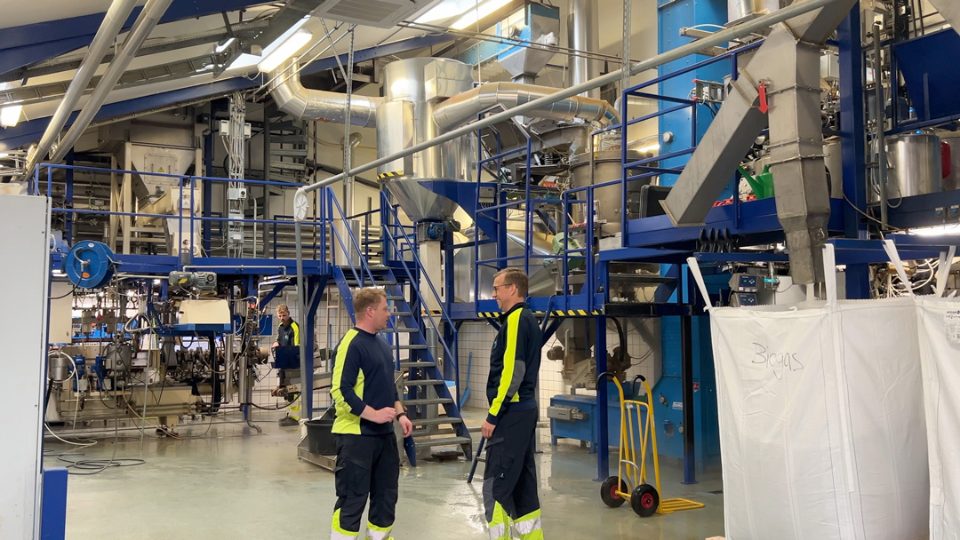 Tech Center in Brande, Denmark
One of the points Iannis Karacostas emphasises is the importance of the concept of “total economic performance”.
For BioMar, as Karacostas points out, the value of a diet is not measured only by the growth it delivers, but by the balance between different productive and economic parameters.
In this regard, he specifically mentions growth rate, feed conversion, product cost and the final impact on the customer’s economic result. In other words, a diet should be assessed by its ability to generate value on the farm, not only by its composition or by a single isolated indicator.
This vision is especially relevant in a context in which aquaculture producers are working with tight margins, variable costs and a growing need to improve the efficiency of the production cycle.
BioMar supports farmers throughout the production process
Another of the key messages from Iannis Karacostas is the role of technical support. As he explains, BioMar’s approach is not focused solely on selling and delivering feed, but on supporting producers so that feed can be used in the best possible way.
“The level of support that we can provide is one of the aspects most appreciated,” he says. From this perspective, feed is not understood as an isolated product, but as part of a broader strategy involving management, feeding and technical monitoring.
Collaboration with customers makes it possible to recommend the best possible use of feed, adjust strategies and work together on the development of new nutritional solutions. For BioMar, this technical relationship with producers is a way to continue improving results and adapting feeding to the specific needs of each farm.
Final quality and market position
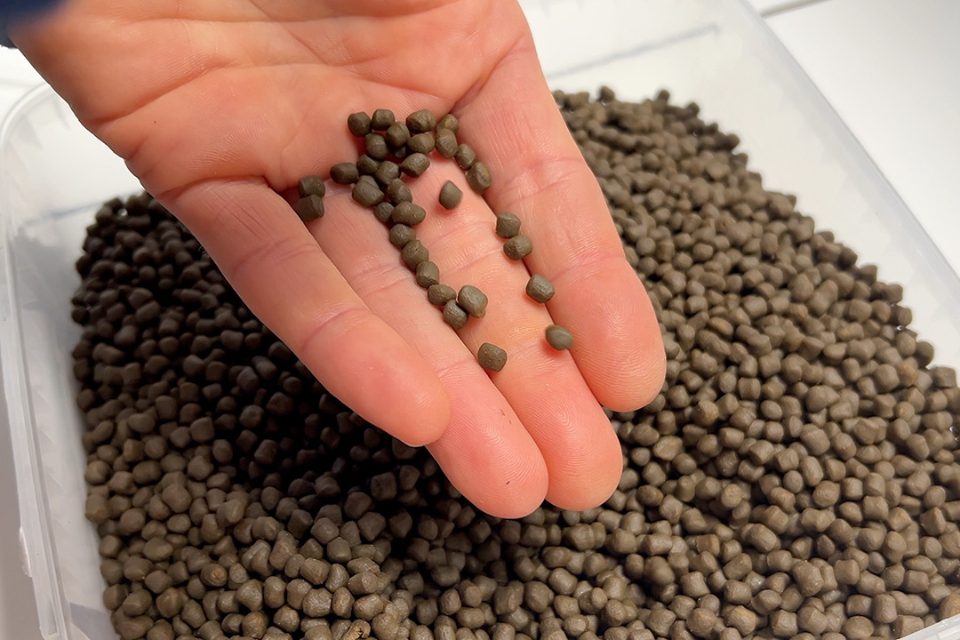
Karacostas also links feed development with the quality of the final product. The aim, he explains, is to provide feeds that deliver the best total economic performance while also contributing to a high-quality final product.
In his view, this helps both to maximise customer profitability and to strengthen the position of their products in the European market. BioMar’s strategy is therefore based on bringing together productive efficiency, commercial quality and technical support.
At the same time, Karacostas places this approach within BioMar’s ambition to consolidate its position as the leading aquafeed producer in Europe.
Would you like to learn more about how BioMar’s feed trial units work?
Professionals interested in learning more about the feed trial units in Brande and Hirtshals, as well as the different BioMar EMEA business units, can do so by visiting the company’s website or by contacting the relevant area managers.
Related

Latest news
-
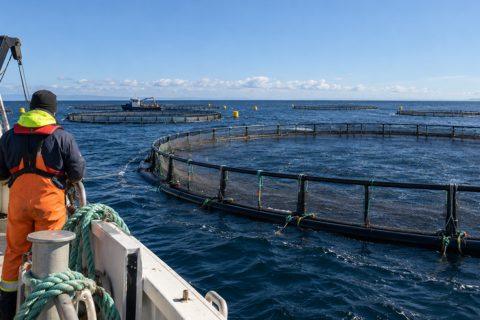
Financial model projects a 19.4% internal rate of return for an offshore European seabass farm off France
France, 23 October 2026 | The hypothetical operation would require nearly $40 million investment and produce 5,220 tonnes a year at full capacity. The projected return depends on assumptions that have yet to be tested at commercial scale
-
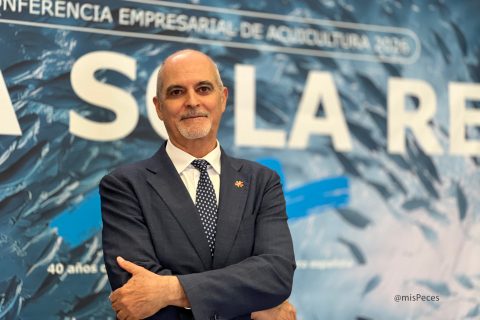
FEAP calls for binding fish farming production targets in EU's Vision 2040
Brussels, 22/10/2026 | European fish farmers welcome the Commission's plans to simplify aquaculture licensing but call for measurable growth targets, national commitments and a regulatory framework that supports investment
-
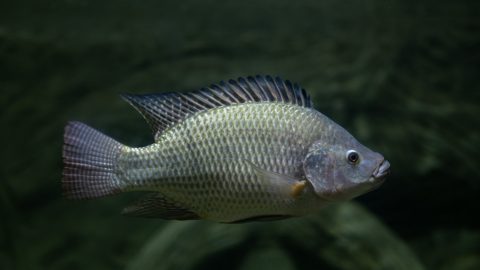
A rapid test for tilapia lake virus moves closer to on-farm diagnosis
Thailand, 22 October 2026 | A lateral flow test correctly identifies 60 out of 61 tilapia samples, offering a potential tool for preliminary virus detection, although further validation is needed to establish its ability to identify early-stage infections