
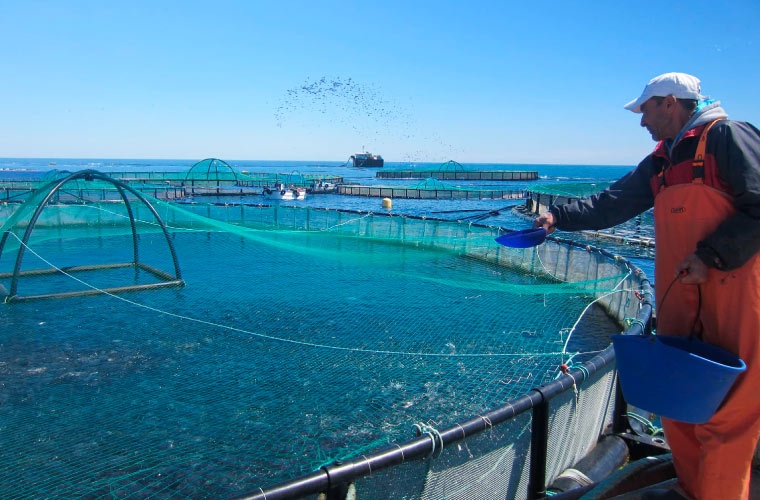
Animal welfare in aquaculture could increasingly be assessed through auditable operational indicators and continuous monitoring systems. This is the approach proposed in a new report published by Eurogroup for Animals, a European NGO specialising in animal welfare policy, which calls for a model based on objective and verifiable metrics.
The report, Policy Indicators for Fish Welfare in European Aquaculture, has no legislative status and does not introduce new legal obligations for producers. However, it reflects the direction in which European fish welfare policy in aquaculture could evolve, as well as the growing interest in developing harmonised assessment system for the sector.
In this context, the organisation argues that the European Union still lacks standarised indicators capable of objectively verifying fish welfare in aquaculture farms. To address this, the document identifies three indicators considered “practical and auditable”: dissolved oxygen stability, external injuries and fin damage, and cumulative mortality.
| Indicator | What it measures | Value for producers | Potential future implication |
|---|---|---|---|
| Dissolved oxygen | Environmental stability and risk of physiological stress. | Helps anticipate welfare, growth and mortality issues through continuous monitoring. | Could become part of audits, public funding requirements and automated control systems. |
| External injuries and fin damage | Cumulative effects of stocking density, handling, water quality or social stress. | Supports the assessment of farm management practices and chronic welfare issues. | Could be integrated into certification schemes and standardised inspection protocols. |
| Cumulative mortality | Level of severe welfare, health or management failure. | Helps identify trends, critical events and the effectiveness of corrective measures. | Could be used as a performance indicator within regulatory or ESG frameworks. |
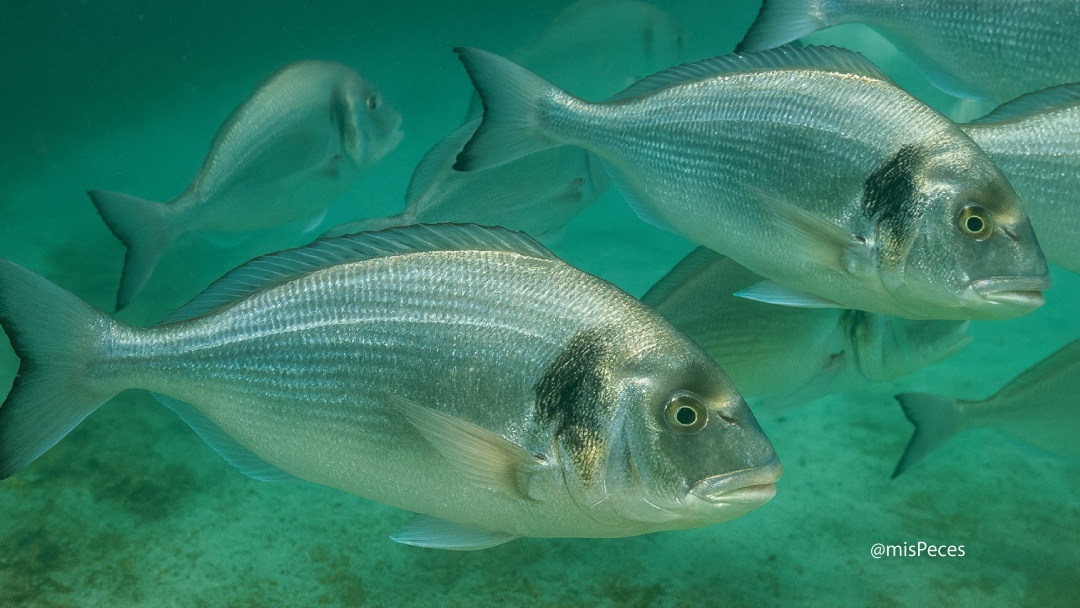
According to the report, these parameters would help detect both acute risks and chronic welfare issues on farms, moving beyond systems based solely on general requirements towards approaches focused on measurable outcomes.
One of the most relevant aspects for the industry is that the document directly links animal welfare with continuous monitoring technologies and precision aquaculture. In this regard, it highlights the use of automated sensors, digital platforms, remote verification systems and computer vision technologies to detect welfare problems in real time.
Although the proposals are non-binding, the report links these indicators to European instruments such as the Strategic Aquaculture Guidelines (SAG), the EMFAF and Directive 98/58/EC on the protection of animal kept for farming purposes. This could open the door for the future public funding schemes, certification programmes or audits to incorporate objective welfare metrics into their evaluation criteria.
However, while the proposal is based on indicators already widely used in animal welfare research and certification, its possible implementation at regulatory level could generate debate around issues such as standardisation across species, administrative burden and implementation costs for aquaculture producers.
At the same time, the document also stresses the need to move “beyond infrastructure – and management-based requirements towards outcome-based welfare assessment”.

Latest news
-

Single-cell proteins gain ground in aquafeed strategy
Global, 15 May 2026 | An international report concludes that single-cell proteins are beginning to establish themselves as a strategic tool to strengthen supply resilience and reduce dependence on limited marine resources
-
A European report proposes auditable metrics to assess welfare in aquaculture
Brussels, 15 May 2026 | NGO’s report suggests that dissolved oxygen, injuries and mortality could become key metrics for future audits, public funding and aquaculture certification schemes
-
Study highlights both the potential and the risks of cultivated seaweeds for food and aquaculture
Australia, 15 May 2026 | An Australian study has identified promising nutritional profiles in Ecklonia radiata and Cladophora sp., while also warning about microbiological risks and heavy metal accumulation in cultivated biomass