


Troutlodge brings commercial triploid data into genetic selection
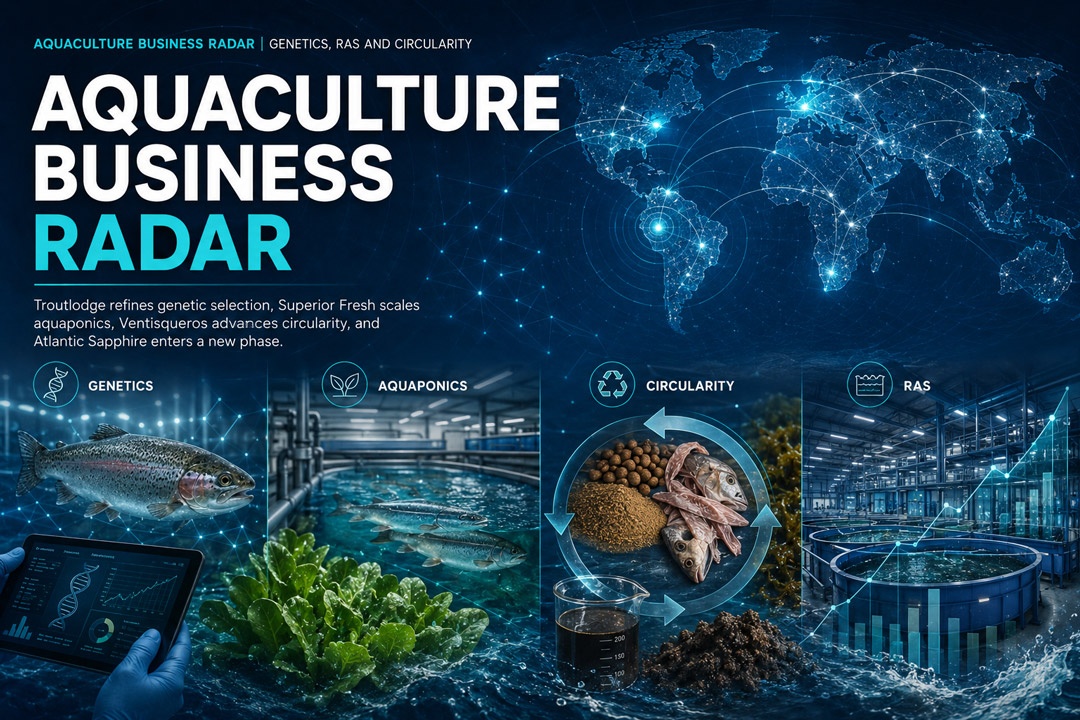
The most technically relevant development comes from Troutlodge, part of Hendrix Genetics, which has outlined a new approach to using performance data from triploid rainbow trout in genetic evaluations of diploid broodstock.
Triploid trout are widely used in commercial production because they are generally sterile, reducing problems associated with sexual maturation and limiting reproductive risks in the event of escapes. However, their different ploidy has traditionally made it difficult to incorporate their commercial performance directly into breeding programmes without distorting genetic evaluations.
The new approach seeks to bridge that gap. By making it possible to use data from the fish that are actually grown in farms, breeding companies can improve the accuracy of selection decisions and accelerate progress in traits such as growth, survival, robustness and production efficiency.
For producers, the key point is practical: the genetic programme becomes more closely aligned with the real performance of the fish that reach commercial systems.
Superior Fresh reaches first harvest at its second aquaponic salmon farm
Superior Fresh has completed the first harvest at its new facility in Albany, Indiana, marking an important step in the company’s attempt to replicate its aquaponic salmon model beyond its original Wisconsin site.
The relevance of the news is not only that fish have been harvested. The more important point is that the company is moving from a single flagship farm to a second operational site. That makes the case more interesting from a business perspective, because replication is one of the main tests for any controlled-environment aquaculture model.
Superior Fresh combines Atlantic salmon production with plant cultivation, using nutrients from the fish system to support vegetable production. The model has attracted attention for its circularity claims, but the real test will depend on production figures: harvest volume, survival, feed conversion, energy use, nutrient recovery, production cost and market absorption.
For misPeces audience, the most useful angle would be to ask whether this second farm shows that aquaponic salmon can move from demonstration to repeatable business model.
Ventisqueros approaches zero waste with industrial-scale data
Chilean salmon producer Ventisqueros has reported that it recovered, reused or valorised 99.4% of the waste generated by its operations in 2025. The company produced more than 30,000 tonnes of waste, of which only 0.6% ended up in landfill.
The most relevant point is the scale and composition of the streams involved. A large share corresponds to salmon by-products and sludge, which means the issue goes beyond a generic sustainability claim. It opens a practical question for the industry: what economic value can be recovered from the organic waste and sludge generated by salmon farming?
The story would be particularly strong if it explained where those materials go: silage, fishmeal, fertilisers, compost, biogas, energy recovery or other industrial uses. That would turn a corporate circularity figure into transferable knowledge for other producers.
For misPeces audience, the right angle would be to focus less on the percentage and more on the operational and economic destination of the recovered waste.
Atlantic Sapphire moves into a new ownership phase
Atlantic Sapphire is entering a new stage after Coral HoldCo moved to take full control of the company as part of its financial restructuring. The process also points towards the company leaving the stock market.
This is not just a financial transaction. Atlantic Sapphire has been one of the most closely watched land-based salmon farming projects in the world. Its trajectory has become a reference case for the opportunities and risks of large-scale RAS: biological performance, mortality, capital intensity, construction delays, operating complexity and investor expectations.
The new ownership structure suggests that the project is not disappearing, but it is moving away from the original listed-company narrative. The future of Atlantic Sapphire may now depend on a more patient capital structure, tighter operational discipline and a more realistic path to scale.
For misPeces audience, the most interesting reading is not “who buys Atlantic Sapphire”, but what this says about the financing model of large RAS projects.
Reading the four signals together
These four developments show aquaculture companies moving along four strategic fronts.
In genetics, the industry is learning to make better use of real production data. In aquaponics and RAS, companies still need to prove that promising models can be replicated beyond the first facility. In circularity, waste is becoming a measurable industrial flow rather than a reputational claim. And in land-based salmon, financial restructuring is becoming part of the maturation process of the sector.
The next phase of aquaculture growth will not depend only on producing more fish. It will depend on producing with better data, more resilient business models, stronger resource efficiency and financial structures capable of supporting long technology cycles.

Latest news
-
Aquaculture companies: Troutlodge refines genetic selection, Superior Fresh replicates its model and Atlantic Sapphire enters a new phase
This week’s Aquaculture Business Radar highlights four signals shaping the sector: genetics, aquaponic salmon, circularity and RAS financing. The common thread: aquaculture competitiveness is moving beyond volume towards data, scalability, resource recovery and financial resilience.
-
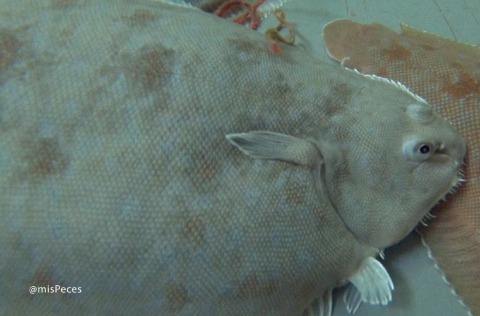
New data show that captive-born Senegalese sole experience disruption across their entire reproductive axis
Lugo, Spain, 10 August 2026 | The first integrated analysis of the hypothalamus, pituitary and gonads finds the greatest differences from wild-origin fish in the centres responsible for hormonal control of reproduction, shifting attention away from a single cause located in the testes
-
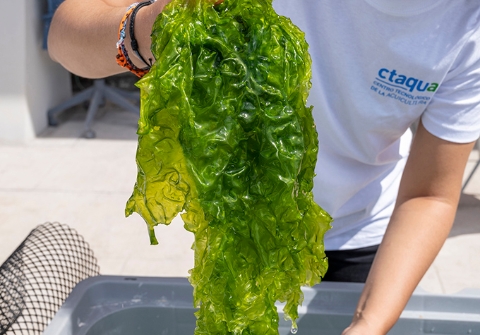
Fermentation improves the protein profile of Ulva as a feed ingredient for European seabass
El Puerto de Santa María, 6 August 2026 | The trial, carried out within the European NOVAFOODIES project, shows that fermented biomass can increase protein concentration and reduce carbohydrates, although high inclusion levels affected growth in juvenile seabass