
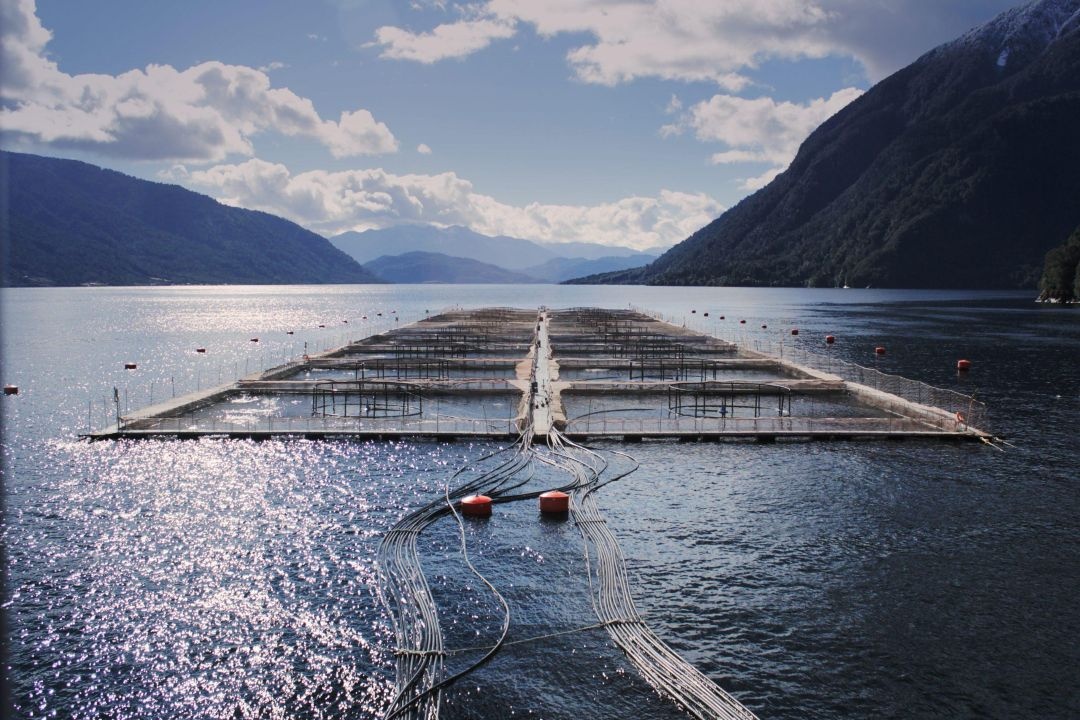
The global aquaculture sector entered a new phase of recovery in 2025, as feed production rose to 55.47 million tonnes, marking a 4.7% increase after several years of relative stagnation.
This rebound, reported in the Alltech Agri-Food Outlook 2026, signals renewed momentum across key species such as shrimp and salmon, alongside the continued expansion of inland aquaculture systems.
However, the recovery is not simply the result of increased biological production. A significant share of the growth reflects deeper structural changes, including the progressive shift towards industrial feeding systems, improved production efficiency, and the ongoing commercialization of aquaculture in emerging markets.
In this context, feed volumes are increasingly acting as a proxy for sector maturity rather than output alone.
Latin America has emerged as one of the most dynamic regions, recording an 11.4% increase in aquaculture feed production in 2025. The region’s expansion is strongly export-driven, supported by competitive production costs and continued industrialization.
Ecuador led the growth with an estimated 15% increase in shrimp production, while Chile’s salmon sector expanded by nearly 8%. Brazil also reinforced its position through the rapid development of tilapia farming and further consolidation of its aquaculture industry.
Together these trends confirm Latin America as a structural competitive growth engine in global aquaculture.
At a global level, growth patterns remain highly uneven. Africa recorded the highest percentage increase in aquaculture feed production, rising by 27.5%, driven largely by intensification and increased adoption of commercial feeds in key market such as Egypt.
Asia continues to dominate the sector structurally, accounting for the majority of future consumption growth, with countries such as India expanding rapidly through inland aquaculture development.
In contrast, mature markets including Japan are facing structural contraction, constrained by labour shortages, environmental limits and rising operational costs.
Looking ahead to 2026, the sector is expected to maintain growth, albeit at a more moderate pace as supply and demand begin to rebalance.
The key challenge is no longer scaling production, but sustaining profitability in an increasingly volatile environment.
Feed manufacturers and producers will need to navigate fluctuating raw materials costs, particularly for fishmeal and fish oil, while improving operational efficiency and risk management.
In this evolving landscape, resilience is becoming the defining competitive factor. As the industry moves beyond volume-driven expansion, the ability to build stable supply chains and adapt to economic, biological and geopolitical pressures will determine which regions consolidate their leadership in global aquaculture.

Latest news
-
Aquafeed rebounds in 2025, with Latin America emerging as a structural growth driver
USA, 22 April 2026 | Global aquafeed production rises 4.7% after years of stagnation, but growth increasingly reflects structural shifts rather than pure output expansion
-
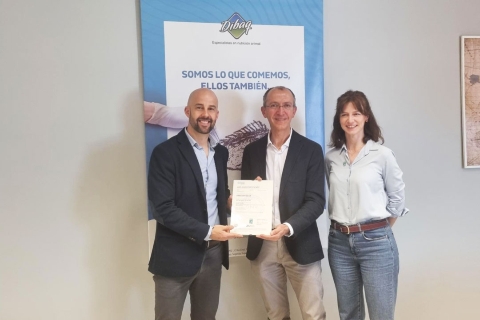
Dibaq Aquaculture certified to ASC Standards
Segovia, Spain, 21 April 2026 | This international standard ensures environmentally responsible and sustainable practices, social well-being, and traceability in production
-
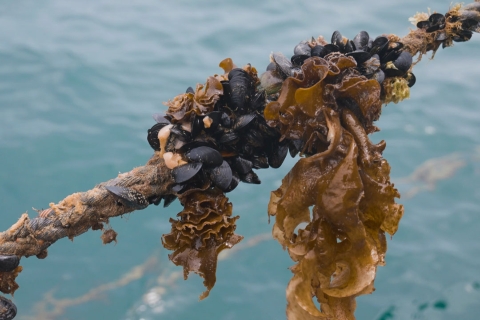
Catalonia’s shellfish aquaculture shifts toward energy – and climate-driven model
Barcelona, Spain, 21 April 2026 | A new public plan for the Ebro Delta combines electrification, renewable energy and cost pressures