
Shellfish aquaculture in southern Europe is entering a structural transition in which energy, climate and biological control are becoming as decisive as environmental conditions.
The plan launched by the Government of Catalonia for the Ebro Delta, covering the 2026-2029 period, marks a turning point by moving beyond incremental improvements and directly addressing the operational foundation of mussel and oyster farming.
At the core of the strategy is the progressive electrification of auxiliary vessels and the replacement of fossil-fuel-based energy systems across the production chain. In a sector traditionally depend on diesel-powered logistics and generators, the shift toward electric engines and on-site renewable generation introduces a new cost and efficiency equation.
The installation of photovoltaics capacity in onshore facilities and potentially on farming platforms aims not only to reduce emissions, but to stabilise energy supply in an activity where operational continuity is critical.
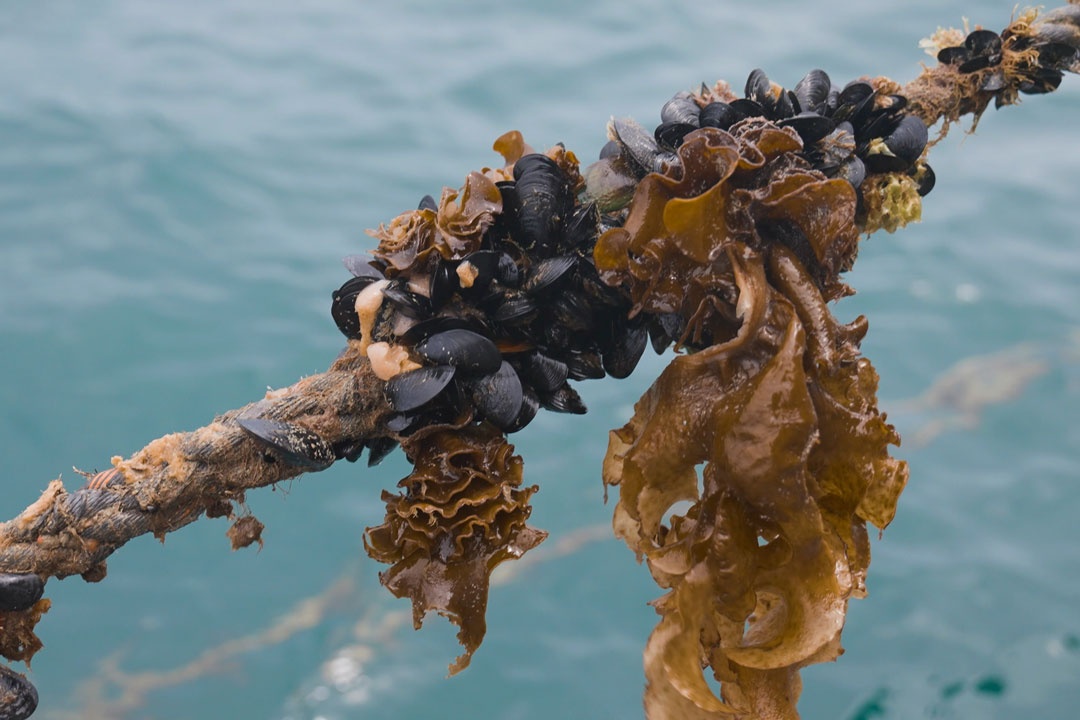
This energy transition is closely linked to a second structural driver: climate pressure. Rising water temperatures in the Delta’s bays are already affecting mussel performance and increasing mortality risks, particularly for oysters.
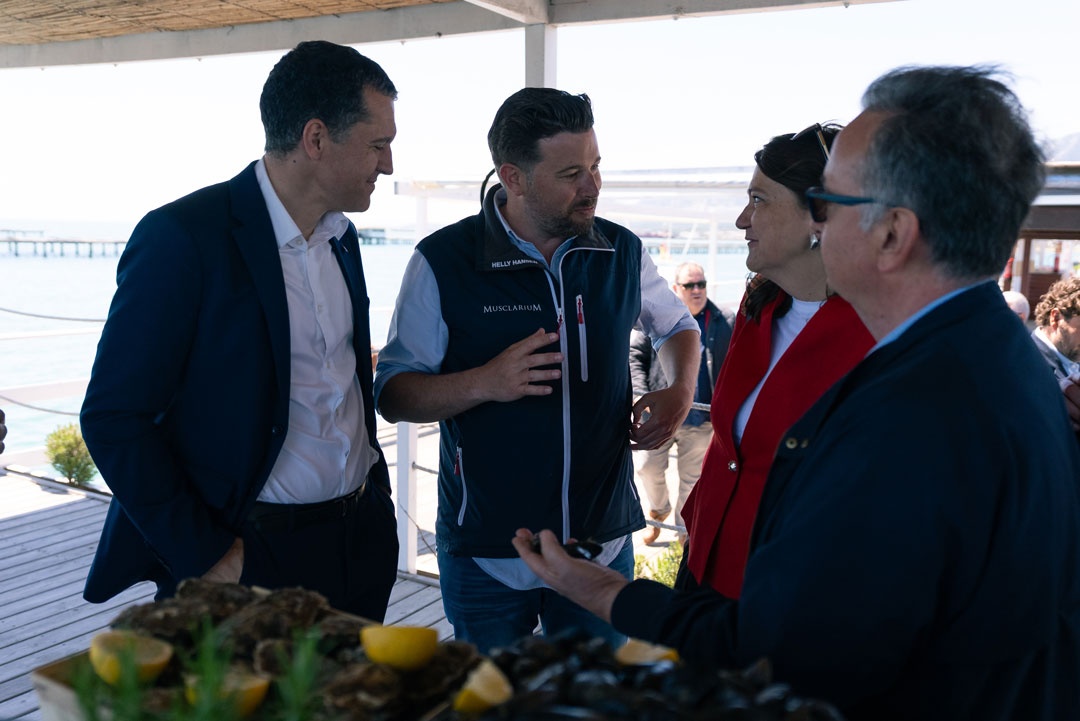
The response outlined in the plan signals a move toward adaptative production strategies, including the relocation of seed collection to colder waters and the reinforcement of health control systems. These measures reflect a broader industry trend in which production calendars, site selection and biological management are being recalculated under climate constraints rather than historical patterns.
A third element, with potentially the greatest long-term impact, is the intention to develop an industrial-scale oyster hatchery. This would reduce dependence on natural recruitment and introduce a higher degree of control over the production cycle, aligning shellfish aquaculture more closely with finfish models in terms of predictability and biosecurity.
In a context of increasing environmental variability, the capacity to secure seed supply is emerging as a strategic asset rather than a technical option.
The plan is underpinned by a mixed financing structure combining regional funds and European support through the EMFAF, with high aid intensities for innovation projects.
This framework reinforces the replicability of the model across other European shellfish regions, where similar challenges related to energy costs, climate variability and biological uncertainty are converging.
Beyond its regional scope, the Ebro Delta initiative illustrate a broader shift in European aquaculture. Production is no longer defined solely by environmental suitability, but increasingly by access to energy, exposure to climate risk and the degree of biological control within the system.
In that sense, the transformation underway in the Delta is less an isolated policy intervention than an early signal of how shellfish aquaculture is likely to evolve across the continent.

Latest news
-
Aquafeed rebounds in 2025, with Latin America emerging as a structural growth driver
USA, 22 April 2026 | Global aquafeed production rises 4.7% after years of stagnation, but growth increasingly reflects structural shifts rather than pure output expansion
-
Dibaq Aquaculture certified to ASC Standards
Segovia, Spain, 21 April 2026 | This international standard ensures environmentally responsible and sustainable practices, social well-being, and traceability in production
-
Catalonia’s shellfish aquaculture shifts toward energy – and climate-driven model
Barcelona, Spain, 21 April 2026 | A new public plan for the Ebro Delta combines electrification, renewable energy and cost pressures