
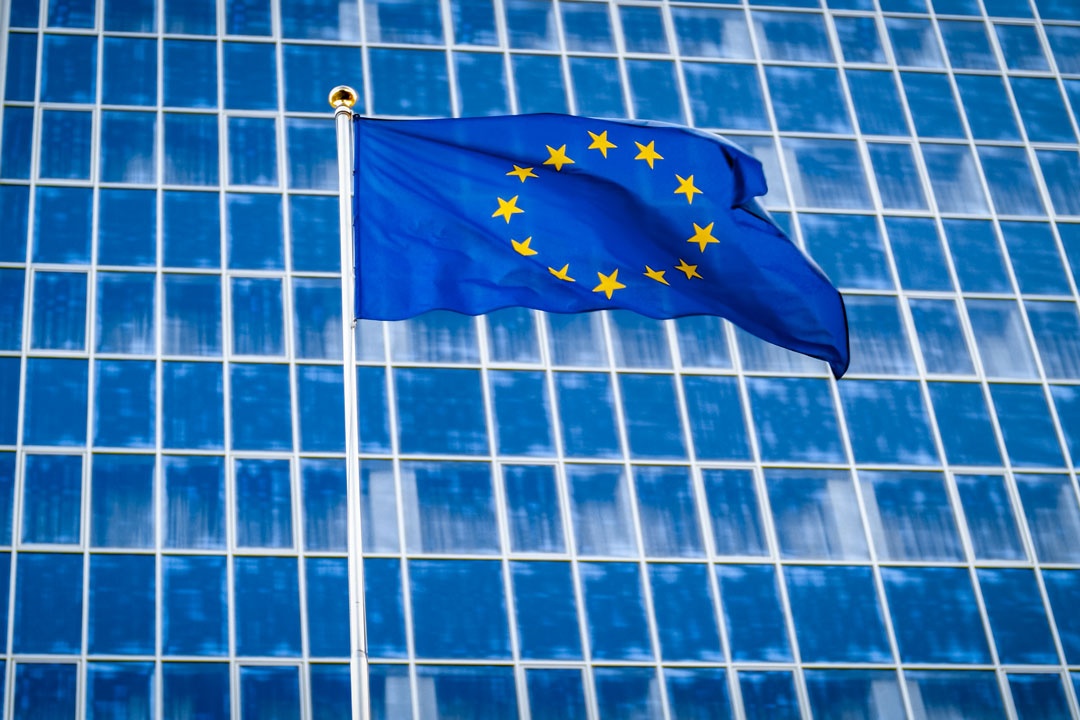
The European Commission has approved a new temporary framework that will allow Member States to grant State aid to compensate for the increase in energy costs in sectors such as fisheries and aquaculture. The measure completes the response initiated on 16 April with the activation of Article 26(2) of the European Maritime, Fisheries and Aquaculture Fund (EMFAF), now expanding the capacity for public intervention.
Unlike the EMFAF, which mobilises already allocated funds, this new instrument authorises governments to use national resources to cover up to 70% of the extraordinary costs arising from the crisis (i.e. the surcharge derived from the difference between the current fuel price and a historical reference price). This measure will be valid until the end of 2026. In some cases, the coverage of these surcharges could even reach 100% if articulated through repayable instruments.
The decision responds to the sharp increase in energy prices caused by the crisis in the Middle East, which has sent operational costs soaring across the European economy. In the fishing sector, the price of fuel already exceeds sustainable profitability levels. In aquaculture, the Commission recognises that this expense can represent up to 20% of the total, and even reach 30% in some cases.
Brussels justifies this strong exposure by pointing out that marine aquaculture relies heavily on fuel for its auxiliary or service vessels. Furthermore, the European document equates the consumption of coastal cages, mussel production, and intensive freshwater systems to that of medium-sized fishing vessels, due to the intensive use of hydraulic cranes for daily maintenance, restocking, feeding, and harvesting tasks. Adding to this operational reality described by the Commission is the high impact on intensive production models, such as recirculating aquaculture systems (RAS).
This recognition reinforces the real exposure of aquaculture to the energy factor. The aforementioned daily activities depend directly on fuel, making its price increase an operational risk, not just a financial one.
It is important to emphasise that the new framework does not replace the EMFAF, but rather complements it. While the European fund allows covering losses and stabilising the market, State aid introduces a more flexible tool to sustain the activity. However, its application will depend on the capacity of each Member State to activate it.
Brussels also warns of a deeper risk: if energy prices remain high, the sector could be forced to reduce its activity and postpone or abandon investments in energy efficiency, which would lead to a decline of the entire sector in the future.
In the case of aquaculture, energy has become a critical variable in the viability of the production model, and its management will make the difference in an increasingly demanding environment.

Latest news
-
European Parliament moves to safeguard fisheries and aquaculture funding in next EU budget
Brussels, 30 April 2026 | MEPs push to strengthen EMFAF and prevent dilution of the Common Fisheries Policy within national budgets
-

From intuition to AI-driven feeding: the silent revolution reaching aquaculture farms
Global, 30 April 2026 | Computer vision enables real-time feeding adjustments, reducing waste and improving production efficiency
-
Brussels expands the shield: following the activation of the EMFAF, it authorises State aid to cover up to 70% of fuel surcharges in aquaculture
Brussels, 30 April 2026 | The European Commission takes a further step, allowing Member States to directly offset the energy impact on the sector