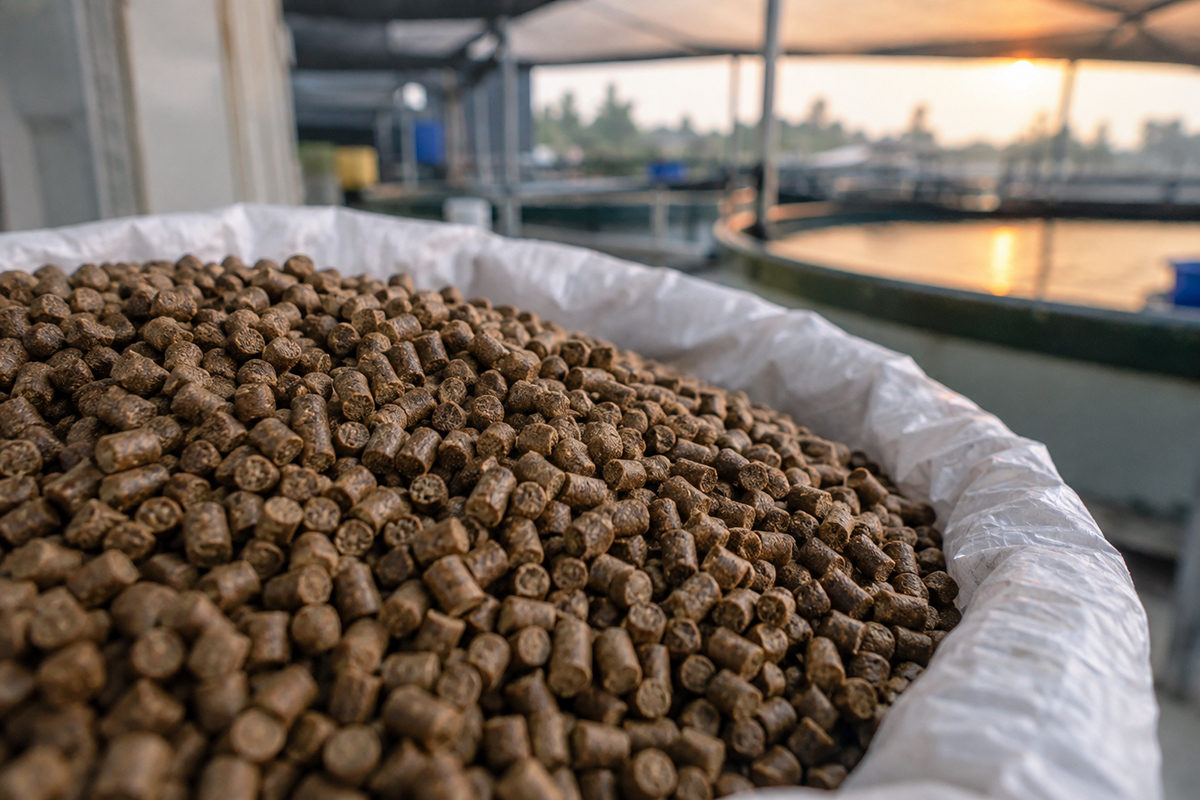
The European Union’s fishmeal self-sufficiency rate fell to 77.1% in 2023, down from 89.8% two years earlier. This trend indicates that the EU market is becoming increasingly dependent on external suppliers to meet the need of an aquaculture industry whose demand for feed continues to grow.
The findings come from a study commissioned by the European Commission, which estimates that feed requirements for ten of the main species groups produced and consumed in the EU approached 1,1 million tonnes in 2023. Estimated demand stood at around 880,000 tonnes in 2013, representing an increase of approximately 25% over the decade.
EU self-sufficiency in marine ingredients
| Ingredient | 2021 | 2022 | 2023 | Change 2021–2023 |
|---|---|---|---|---|
| Fishmeal | 89.8% | 80.3% | 77.1% | −12.7 percentage points |
| Fish oil | 80.8% | 77.9% | 73.7% | −7.1 percentage points |
Note: The self-sufficiency rate is calculated by dividing EU production by apparent consumption, defined as production plus imports minus exports.
The estimate covers Atlantic salmon, carp, European seabass, gilthead seabream, meagre, rainbow trout, whiteleg shrimp, sole, sturgeon and turbot. The authors calculated feed requirements using production figures and a feed conversion ratio assigned to each species. The results should therefore be regarded as estimates rather than directly recorded commercial feed consumption.
Atlantic bluefin tuna was assessed separately because its farming relies mainly on whole fish rather than compound feed.
While demand is rising, global fishmeal and fish oil production was remained relatively stable since the mid-2000s. Most stocks used by reduction fisheries are already close to their maximum sustainable yield, making a significant increase in supply from catches unlikely, according to the report.
The main scope for growth lies in making greater use of trimmings and other fish-processing by-products, which already accounted for 40% of global fishmeal production in 2023.
Although plant-based ingredients currently account for around 75% of diets for fed fish species, fishmeal and fish oil remain strategic raw materials for carnivorous fish because they provide essential amino acids, EPA and DHA. The EU’s fish oil self-sufficiency rate also declined, falling from 80.8% in 2021 to 73.7% in 2023.
The study warns that the combination of growing demand, limited supplies of marine ingredients, climate variability and trade tensions could increase cost volatility.
As feed accounts for more than half of production costs in fed aquaculture, securing supplies and improving feed conversion will be decisive factors for the competitiveness of European farms.

Latest news
-
FEAP calls for pond farms to be compensated for the ecosystem services they provide
Brussels, 16 September 2026 | The European organisation is calling for these farms to be integrated into water management, drought resilience and wetland restoration policies
-
Global fishmeal production falls 49%, keeping pressure on aquafeed supplies
London, 15 September 2026 | Lower output from Peru and Chile has also weighed on fish oil production, which fell by 30%, while the industry hopes Asian fishing seasons in the final quarter will offset part of the shortfall
-
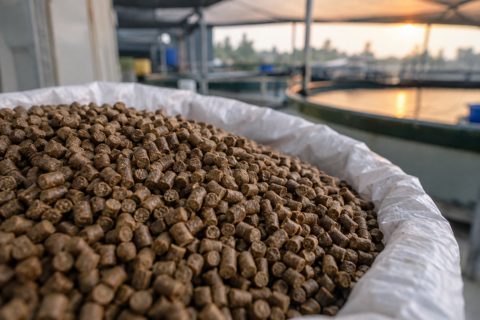
EU fishmeal self-sufficiency falls to 77% as aquafeed demand rises
Brussels, 15 September 2026 | A European Commission-commissioned report estimates that feed requirements for ten species groups increased by around 25% between 2013 and 2023, while EU production of marine ingredients failed to keep pace.