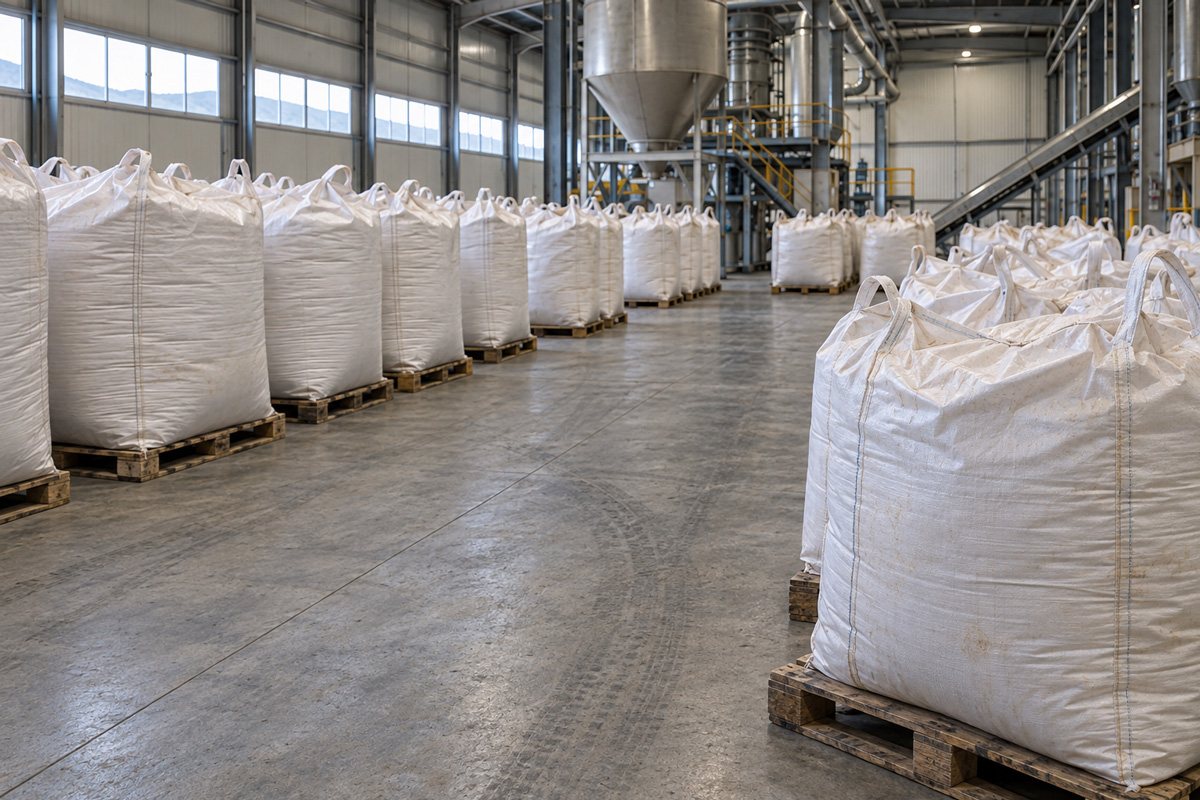
Cumulative fishmeal production across the countries monitored by Marine Ingredients Organisation (IFFO) fell by 49% year on year during the first seven months of 2026. Fish oil production declined by 30%, amid lower contributions from Peru and Chile and more modest catches in African countries and northern Europe.
The contraction is maintaining pressure on the international availability of two strategic raw materials for aquafeed, particularly in formulations for carnivorous species and production stages with high nutritional requirements.
Although IFFO’s data do not allow the decline in output to be translated directly into a specific change in feed prices, they point to tighter supply conditions.
Peru and Chile remain the main contributors to the cumulative shortfall. South American production of marine ingredients continues to be affected by less favourable fishing conditions, following several seasons disrupted by oceanographic anomalies associated with El Niño.
The region’s importance to the international market means that any reduction in catches in these two countries has consequences for the supplies available to aquafeed manufacturers.
IFFO believes part of the reduced contribution could be offset during the final quarter by Asian countries whose main fishing seasons are concentrated in this period.
China, India and Oman are among the markets that could increase their output, although final availability will depend on how catches develop and the volume of raw material reaching fishmeal and fish oil plants.
China resumed domestic marine ingredient production in August. Preliminary estimates indicate that output up to July exceeded the level recorded a year earlier, coinciding with the seasonal peak in aquafeed demand. However, typhoons and other extreme weather events have disrupted operations in coastal areas and increased production risks.
Chinese demand also varies considerably between species. Low farm-gate prices and reduced stocking of largemouth bass, snakehead and yellow catfish could weaken demand for feed and fishmeal during the grow-out phase.
Demand from higher-value species, by contrast, remains stable or is showing signs of recovery, although persistently high production costs and reduced supply have contributed to an overall year-on-year decline in the country’s fishmeal consumption.

Latest news
-
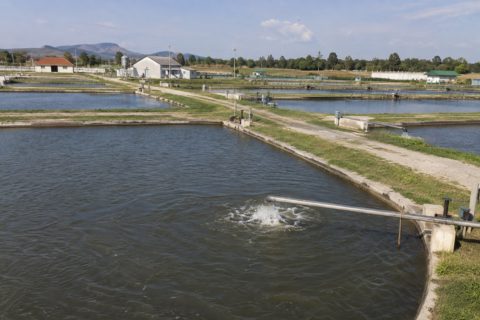
FEAP calls for pond farms to be compensated for the ecosystem services they provide
Brussels, 16 September 2026 | The European organisation is calling for these farms to be integrated into water management, drought resilience and wetland restoration policies
-
Global fishmeal production falls 49%, keeping pressure on aquafeed supplies
London, 15 September 2026 | Lower output from Peru and Chile has also weighed on fish oil production, which fell by 30%, while the industry hopes Asian fishing seasons in the final quarter will offset part of the shortfall
-
EU fishmeal self-sufficiency falls to 77% as aquafeed demand rises
Brussels, 15 September 2026 | A European Commission-commissioned report estimates that feed requirements for ten species groups increased by around 25% between 2013 and 2023, while EU production of marine ingredients failed to keep pace.