

European aquaculture needs to expand the tools available to prevent and treat diseases, harmonise health surveillance and develop welfare indicators tailored to different farmed fish species, according to the Federation of Veterinarians of Europe (FVE).
The organisation, which represents 330,000 veterinarians across 38 European countries, adopted a position paper on 13 November identifying the main health and welfare shortcomings in European finfish aquaculture and putting forward recommendations to strengthen its sustainability.
Of particular relevance to Mediterranean aquaculture are the limited availability of vaccines outside the Atlantic salmon sector and the stagnation in the range of veterinary medicines, despite the mechanisms provided for under European legislation to support limited markets.
| Area | Identified shortcoming | FVE recommendation |
|---|---|---|
| Vaccines | Limited availability outside the Atlantic salmon sector | Improve vaccine availability and strengthen the role of autogenous vaccines |
| Veterinary medicines | Stagnation in the range of therapeutic options | Develop medicines for minor species and improve access to medicated feed |
| Biosecurity | Need to strengthen prevention and health coordination | Harmonise animal health visits and promote coordinated health management between farms |
| Mortality and morbidity | Lack of a harmonised mandatory reporting system | Work towards a common European reporting system |
| Animal welfare | Lack of resource-based indicators tailored to Mediterranean species | Develop species-specific welfare indicators |
| Transport and slaughter | Gaps in European legislation | Introduce species-specific requirements for aquatic animals |
| Climate change | Expected changes in disease patterns | Strengthen epidemiological surveillance and preventive capacity |
| New facilities | Need to integrate fish health and welfare from the design stage | Incorporate veterinary expertise from the planning stage |
Source: Federation of Veterinarians of Europe (FVE). Compiled by misPeces.
Regarding animal welfare, the Federation specifically highlights the lack of resource-based indicators tailored to species such as gilthead sea bream, European sea bass, turbot and sole. These include indicators relating to water quality, stocking density and the geographical concentration of farms.
The organisation also warns that climate change could alter disease patterns and make suitable commercial vaccines more difficult to obtain, increasing the importance of autogenous vaccines.
The FVE considers that expanding the range of therapeutic tools should not lead to greater routine use of medicines. Instead, it advocates a strategy based on prevention, biosecurity, vaccination and good husbandry practices.
Through these proposals, European veterinarians are calling for greater integration of veterinary expertise into aquaculture policies, directly linking improvements in fish health and welfare to the sustainability and economic efficiency of farming operations.
The recommendations represent the position of the European veterinary profession and do not introduce new legal obligations for aquaculture producers.
Latest news
-
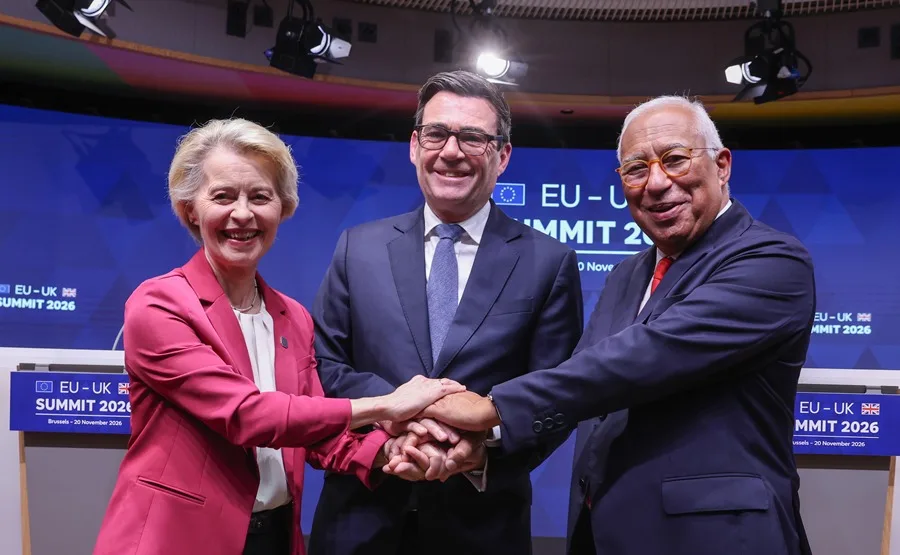
EU and UK to remove most sanitary barriers to seafood trade in 2028
Brussels, 25 November 2026 | The agreement will facilitate seafood trade between Great Britain and the European Union, including the resumption of trade in live bivalve molluscs intended for purification
-

AquaFarm 2027 to focus on Mediterranean aquaculture competitiveness, innovation and environmental adaptation
Pordenone, 25 November 2026 | The event will also address developments in seafood markets, origin guarantees, import controls and regulatory simplification
-
European veterinarians highlight fish health shortcomings in Mediterranean aquaculture
Brussels, 25 November 2026 | The Federation of Veterinarians of Europe warns of limited vaccine availability, stagnation in the range of veterinary medicines and a lack of welfare indicators tailored to Mediterranean species