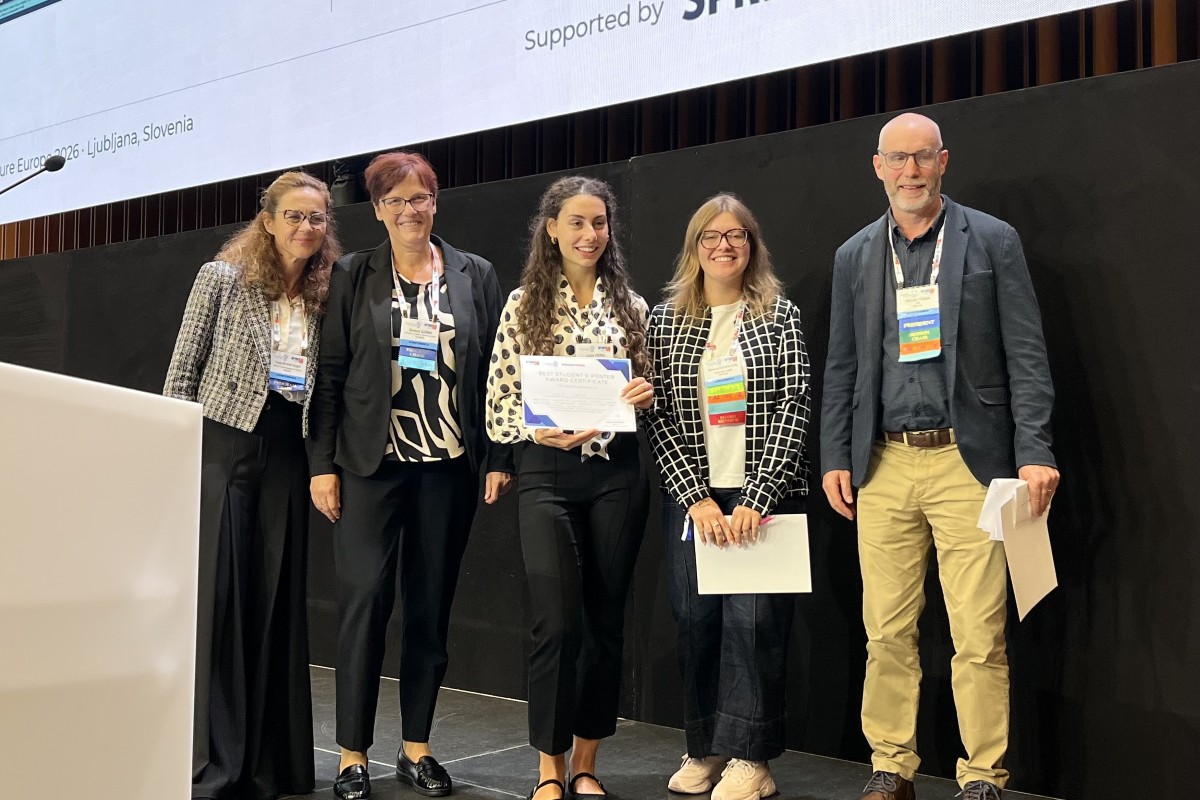
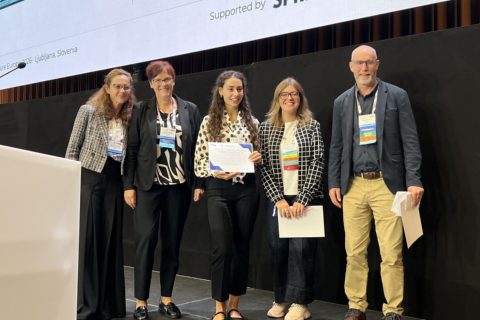
A by-product from the peanut industry could become a source of functional compounds for aquaculture. Research presented by Lúcia Vieira, from CIIMAR and the University of Porto, at Aquaculture Europe 2026 has shown that peanut skin can provide extracts with high antioxidant activity and antimicrobial activity against selected bacterial pathogens relevant to aquaculture. The study received the conference’s Best Student Poster award.
The work is based on a circular economy approach: recovering bioactive compounds from peanut skin generated as a by-product of peanut butter production while using more sustainable extraction methods. The researchers compared water and 50% ethanol combined with microwave-assisted, ultrasound-assisted, thermal and soaking extraction, before assessing total phenols, flavonoids, ortho-diphenols and total antioxidant activity.
The results showed that 50% ethanol produced the highest yields of bioactive compounds, while microwave- and ultrasound-assisted treatments provided the best extraction efficiencies. The aquaculture relevance, however, extends beyond antioxidant recovery. The ethanolic extracts were tested against eight pathogenic bacteria, including Aeromonas hydrophila, Yersinia ruckeri, Vibrio anguillarum, Lactococcus garvieae, Vibrio harveyi and Edwardsiella tarda.
According to the results presented in Ljubljana, the extracts showed high antimicrobial activity, particularly against E. tarda and V. harveyi, while maintaining the growth of the probiotic bacteria Pseudomonas chlororaphis and Bacillus spizizenii used in the assays. This combination provides an interesting basis for investigating ingredients that could deliver antioxidant activity without compromising potentially beneficial microorganisms, although these laboratory results do not in themselves demonstrate a health-protective effect in fish.
The research gains further production relevance when considered alongside another study presented by Vieira at Aquaculture Europe 2026. In this second experiment, a microwave-extracted peanut skin preparation was incorporated into diets for juvenile European seabass (Dicentrarchus labrax). The experimental diets did not impair growth, feed intake or feed efficiency, while fish receiving the diet enriched to 1,000 ppm total antioxidants showed significantly higher survival during a seven-day thermal challenge.
Together, the two studies outline a potential valorisation pathway linking an agri-food by-product, green extraction, functional compounds and aquafeeds. Further work will be required to establish whether these effects can be reproduced under production conditions, determine viable inclusion levels and processing methods, and specifically assess effects on fish health, microbiota and pathogen resistance. The research forms part of the Zero-Waste Omega-3: A Green Label Solution for Sustainable Aquaculture Feeds project, funded by Portugal’s Foundation for Science and Technology (FCT).
Latest news
-
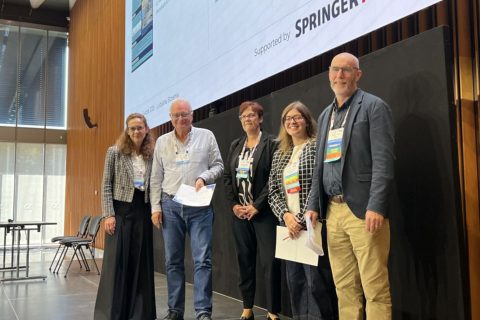
Atlantic bluefin tuna break their natural spawning schedule in land-based facilities
Ljubljana, 2 October 2026 | An IEO-CSIC study, awarded Best ePoster at Aquaculture Europe 2026, recorded more than 10 million fertilised eggs and 20 spawning events from broodstock maintained in a land-based facility
-
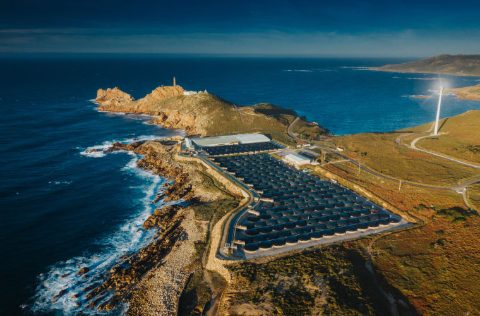
Stolt Sea Farm increases sales by 16.5% and improves production margins
London, 01 October 2026 | Revenue reaches $117.6 million through August, while gross profit before the biological asset fair value adjustment rises by around 25%; the company has $48 million committed to further investment
-
Peanut skin emerges as a natural antioxidant source with potential for aquafeeds
Ljubljana, 2 October 2026 | Lúcia Vieira’s work, awarded Best Student Poster at Aquaculture Europe 2026, combines green extraction, activity against aquaculture pathogens and the valorisation of an agri-food by-product