
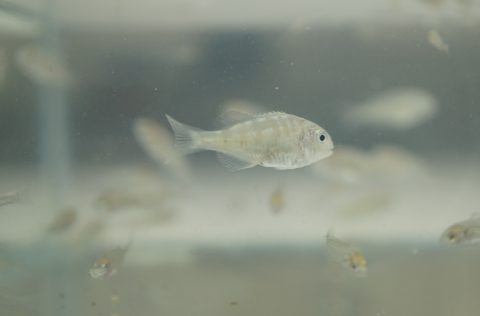
A recent study on the presence of emerging bacterial pathogens in Mediterranean hatcheries has revealed that microbial composition in these environments is primarly shaped by factors such as the source of water, the farm’s location, and management practices, rather than the season of year when samples are collected.
These findings could have a significant implication for improving farm management, enhancing fish health, and promoting the sustainability of aquaculture.
The research was conducted by scientists from the Agricultura University of Athens, the Hellenic Centre for Marine Research, and KU Leuven, in three hatcheries located across different regions of Greece. Over the course of a year, they carried out seasonal sampling to study the microbial composition of live feed cultures, including microalgae, rotifers, and Artemia, which are essential in the early development stages of fish.
The study had two main objectives: to identify bacterial pathogens and to better understand the microbial dynamics within hatcheries. This knowledge could help the aquaculture industry optimize its management practices and reduce reliance on chemical treatments.
Advanced 16S rRNA amplicon sequencing technology was used for the analysis, providing a detailed map of bacterial communities.
Among their findings, the study identified bacterial genera Vibrio, Tenicbaculum, and Photobacterium, which in some cases accounted for up to 21% of the relative microbial abundance. However, no disease outbreaks were recorder during the study, suggesting a possible microbial balance -a stable coexistence between potentially pathogenic bacteria and the controlled conditions of the hatchery.
Another notable discovery was that a hatchery using natural seawater exhibited greater microbial diversity compared to those relying on well water. This suggests that water source, alongside management practices and geographic location, plays an important role in influencing bacterial diversity.
The researchers emphasise that advanced microbial monitoring is essential for achieving more sustainable and efficient aquaculture, particularly in regions like the Mediterranean, where the demand of farmed fish continues to grow.
Reference:
Skliros, D.; Kostakou, M.; Kokkari, C.; Tsertou, M.I.; Pavloudi, C.; Zafeiropoulos, H.; Katharios, P.; Flemetakis, E. Unveiling Emerging Opportunistic Fish Pathogens in Aquaculture: A Comprehensive Seasonal Study of Microbial Composition in Mediterranean Fish Hatcheries. Microorganisms 2024, 12, 2281.

Related

Latest In-depth
-
Clams more resistant to heat and Perkinsus: research paves the way for selective breeding
Padua, Italy, 16/10/2026 | University of Padua researchers explain to misPeces the findings presented at Aquaculture Europe 2026 and the steps needed to transfer them to hatcheries. Initial applications could emerge within the next two or three years, although the relationship between resistance, growth and other production traits still need to be assessed