
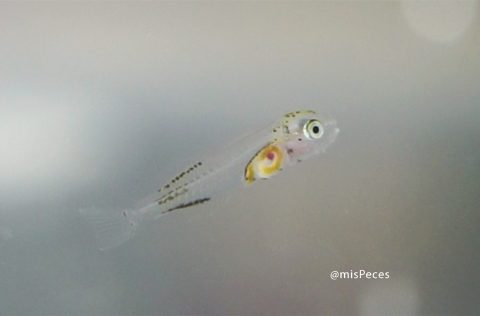
The drive for economic efficiency and sustainability in hatcheries necessitates applying scientific knowledge to enhance breeding techniques and broodstock management. Linked to this goal, a comprehensive study on two gilthead seabream broodstocks populations analysed five spanning seasons to demonstrate that managing the sex ratio and maintaining controlled environmental conditions can significantly boost egg production and fertilization success.
The research was conducted at AQUALABS, part of the Hellenic Centre for Marine Research in Greece.
Gilthead seabream are protandrous hermaphrodites, meaning they start life as males and may later transition to females. Several factors influence this sex change, including age and size -older, larger fish are more likely to undergo this transition. Additionally, social interactions and population density play a role in the process.
Maintaining a balanced sex ratio among broodstock can be challenging and costly. However, this five-season study reveals that once a 20% male proportion is established, it eliminates the need for introducing additional males – a common practice in some commercial hatcheries.
This streamlined approach not only simplifies operations but also fosters a more stable environment for the fish in hatcheries, reducing stress and potentially improving egg quality, while optimising egg production and fertilisation efficiency.
The data obtained further shows that maintaining a constant water temperature of 18-20ºC and simulating natural light cycles extends the spawning season. On a commercial scale, this translates to using advanced climate control systems to regulate water temperature and lighting that mimics natural daylight. Such measures can facilitate year-round spawning.
This practice enhances production efficiency, ensures a steady supply of juveniles to meet market demands, and, by providing controlled, stable environments, improves energy efficiency, lowers labor costs, and promotes animal welfare.
Reference:
Maria Papadaki, Dimitris Karamanlidis, Eirini Sigelaki, Ioannis Fakriadis, Constantinos C. Mylonas. Evolution of sex ratio and egg production of gilthead seabream (Sparus aurata) over the course of five reproductive seasons. Aquaculture and Fisheries.

Related

Latest In-depth
-
Clams more resistant to heat and Perkinsus: research paves the way for selective breeding
Padua, Italy, 16/10/2026 | University of Padua researchers explain to misPeces the findings presented at Aquaculture Europe 2026 and the steps needed to transfer them to hatcheries. Initial applications could emerge within the next two or three years, although the relationship between resistance, growth and other production traits still need to be assessed