


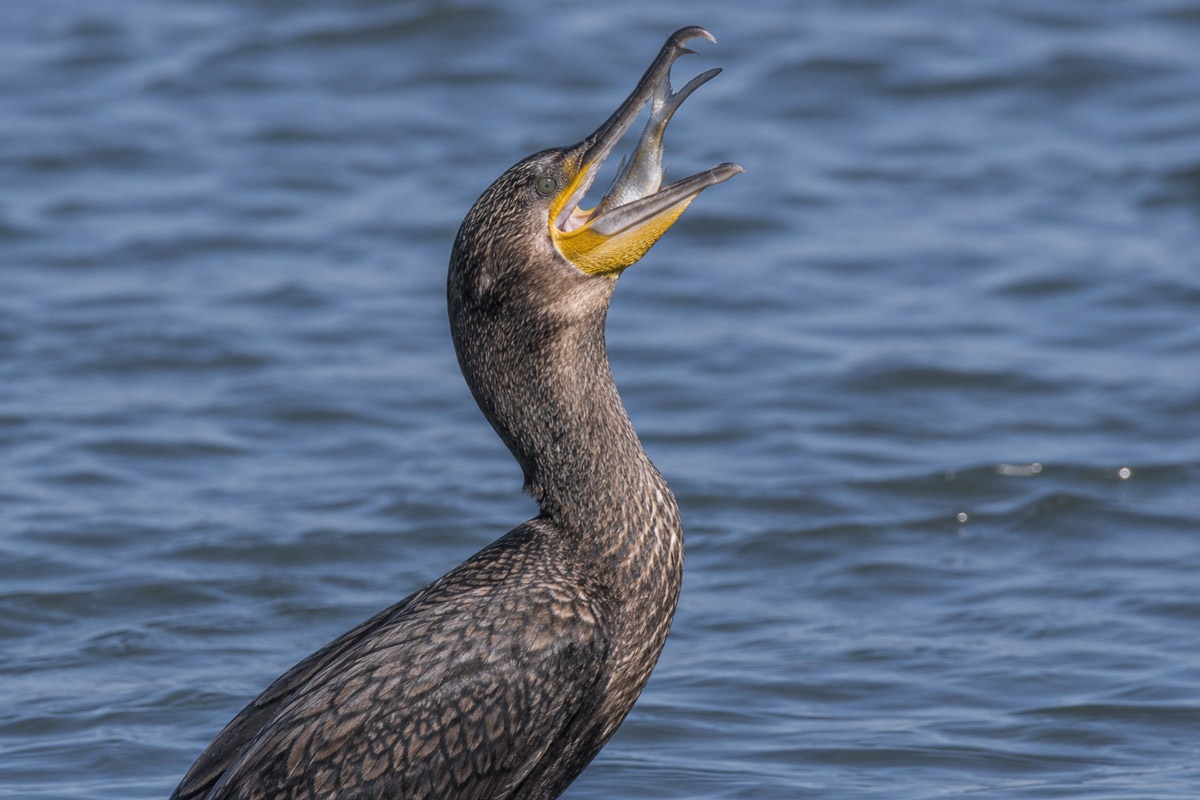
Cormorant predation is costing European freshwater aquaculture more than EUR 138 million a year, according to information supplied by the countries participating in a new inventory published by FAO. The figure could reach around EUR 250 million when extrapolated across Europe, but incomplete coverage and differences between national assessment methods mean it should not be regarded as a precise account of the damage.
Pond-based farms are the most exposed. Participants in the study reported typical losses of between 10% and 30% of fish stocks, rising to 70% in extreme cases. Estimated damage generally ranges from EUR 100 to more than EUR 600 per hectare, although the impact varies according to species, production system, location and local pressure from the birds.
Alongside the fish consumed, farms face the cost of surveillance, scaring devices, netting and other preventive measures that require labour and continuous application. Their effectiveness is generally limited to individual sites, while cormorants may simply move to neighbouring farms or water bodies, making the problem difficult to address through isolated action.
Available compensation schemes are estimated to cover only 4–6% of total damage, leaving producers to absorb most of the cost. The report warns that this economic pressure can reduce production intensity and profitability and may contribute to farm closures, with consequences for employment and economic activity in rural areas.
The inventory brings together information for 2023 and 2024 supplied by more than 300 organisations and stakeholders across 26 countries. Its findings help establish the scale of a problem that has remained poorly quantified, but require cautious interpretation: the EUR 138 million represents reported losses, whereas the EUR 250 million is an extrapolation, and Europe still lacks a harmonised method for separating lost biomass, preventive expenditure and indirect production effects.
EIFAAC, the European Anglers Alliance and the Federation of European Aquaculture Producers are calling for the implementation of a European management framework for the great cormorant, coordinating population monitoring, control measures and compensation systems. For aquaculture, the objective is to move from costly and poorly compensated local responses towards a common policy capable of verifying losses and distributing more fairly the cost of reconciling bird conservation with the continuity of fish farming.
Reference: FAO. (2026). European inventory of fish damages caused by cormorant predation: findings from a joint EIFAAC/EAA/FEAP study. EIFAAC Occasional Paper No. 60. Rome. DOI: 10.4060/ce1056en.

Latest news
-
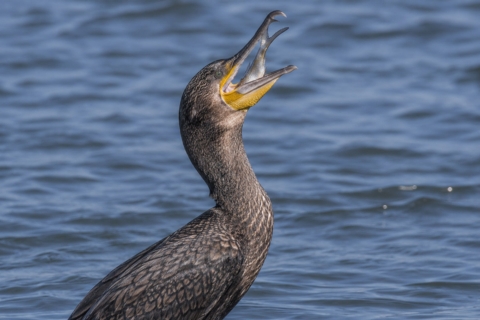
Cormorants leave European freshwater aquaculture bearing losses and protection costs with little compensation
Roma, Italy, 25 August 2026 | An inventory by FAO, EIFAAC, EAA and FEAP puts annual losses reported by fish farms at more than EUR 138 million and extrapolates the European total to around EUR 250 million
-
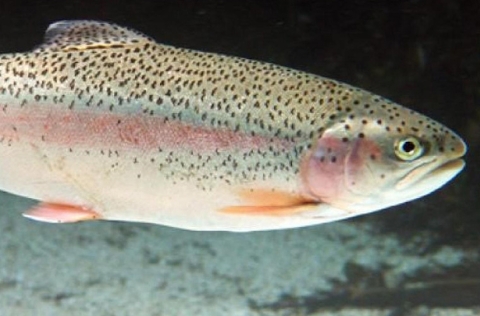
Test strip brings furunculosis diagnosis closer to trout farms
China, 25 August 2026 | The method identifies Aeromonas salmonicida in around one hour without a thermal cycler, but DNA extraction and limited clinical validation still prevent routine field use
-
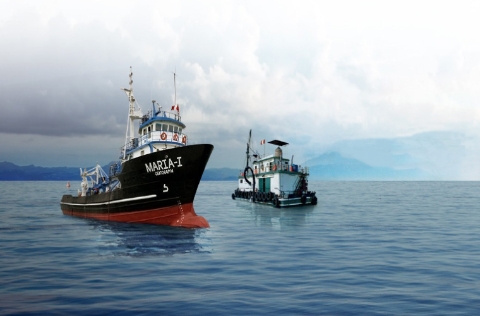
Less anchovy in Peru: what options does aquaculture have now?
Global, 24/08/2026 | The clousure of Peru’s first season with barely a quarter of the quota caught is not simply a fishing statistic: it is a warning sign for the entire aquaculture chain, which is seeing access narrow to two of its hardest-to-replace inputs