The continued growth of global aquaculture no longer implies a proportional increase in demand for fishmeal and fish oil. This is one of the conclusions highlighted in FAO’s The State of World Fisheries and Aquaculture 2026 (SOFIA 2026), which points to a gradual transformation in aquafeed formulations driven by the adoption of new raw materials, improvements in feed efficiency and a greater utilisation of available resources.
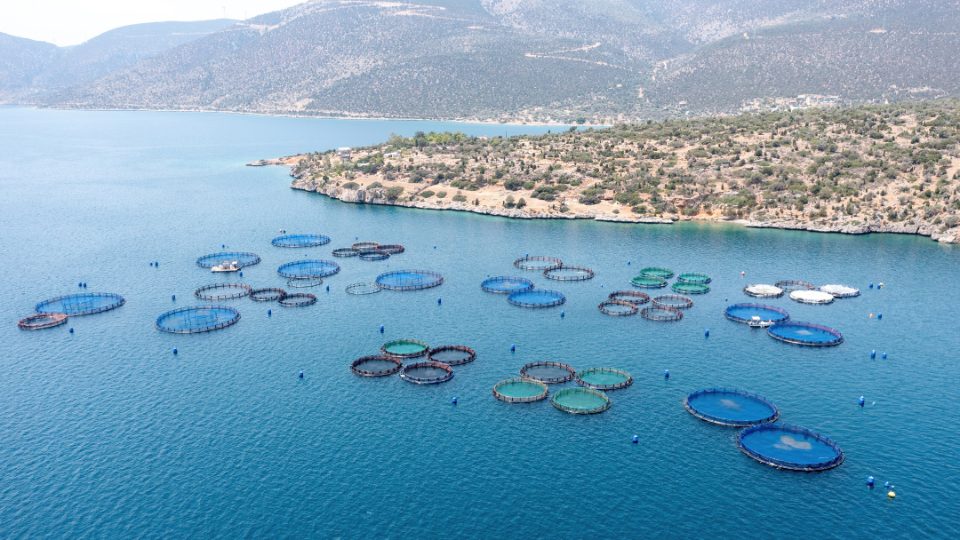
Global aquaculture produced 102.7 million tonnes of aquatic animals in 2024, more than double the volume recorded at the beginning of the century.
The continued growth of global aquaculture no longer implies a proportional increase in demand for fishmeal and fish oil.
However, the proportion of fisheries catches directed towards fishmeal and fish oil production has declined significantly over recent decades.
According to FAO, this trend reflects greater efficiency in the use of marine resources and increasing diversification of the ingredients used by the aquafeed industry.
The report notes that a growing share of fishmeal and fish oil now originates from by-products generated during the processing of fish for human consumption.
This trend allows resources that were previously underutilised to be recovered and contributes to improving the circularity of both fisheries and aquaculture value chains.
Advances in feed formulation have also reduced the sector’s relative dependence on traditional marine ingredients.
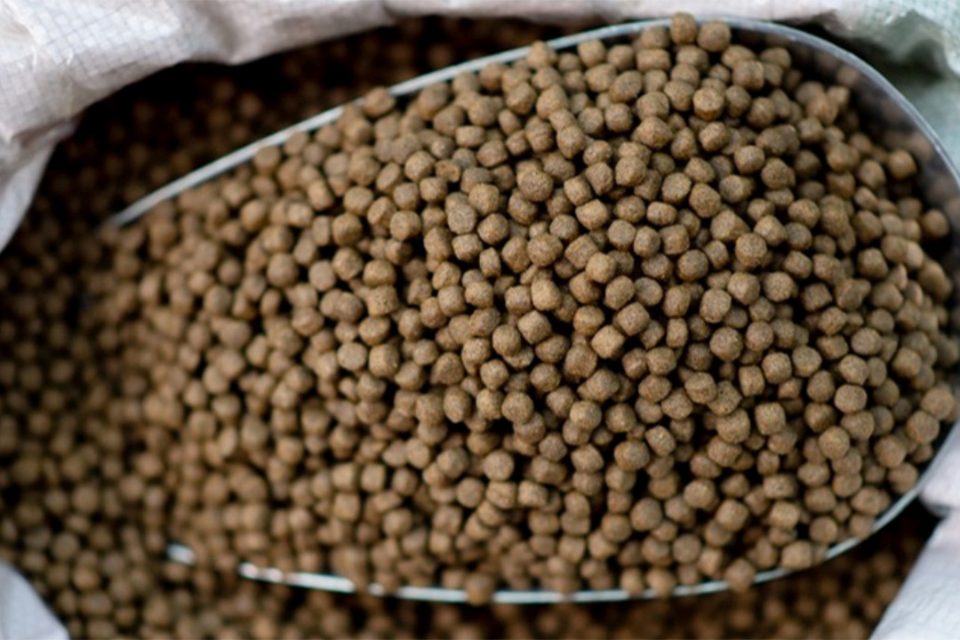
Over the past two decades, feed manufacturers have incorporated plant proteins, alternative oils, microbial ingredients, insect meals and other emerging raw materials capable of partially replacing fishmeal and fish oil without compromising productive performance in many species.
This development is particularly relevant in a context of sustained global aquaculture growth.
FAO projects that aquaculture production will reach 119 million tonnes by 2034, compared with 102.7 million tonnes today. Maintaining this pace of expansion will require continued improvements in raw material efficiency and further reductions in pressure on limited marine resources.
The organisation also stresses that the future sustainability of the sector will depend not only on how much fish is produced, but also on how it is produced. In this regard, feed remains one of the most important areas of innovation in modern aquaculture, both because of its environmental footprint and its direct influence on production costs.
Feed innovation is becoming a key enabler of aquaculture growth, reducing pressure on finite marine resources while supporting future production expansion.
For the aquaculture industry, the message is clear: future growth will not come solely from producing more fish, but from doing so through increasingly efficient nutritional systems capable of generating more biomass with fewer marine resources per tonne produced.

Related


Latest In-depth
-
Clams more resistant to heat and Perkinsus: research paves the way for selective breeding
Padua, Italy, 16/10/2026 | University of Padua researchers explain to misPeces the findings presented at Aquaculture Europe 2026 and the steps needed to transfer them to hatcheries. Initial applications could emerge within the next two or three years, although the relationship between resistance, growth and other production traits still need to be assessed