
Global fishmeal supply could fall below 4.6 million tonnes in 2026, while fish oil supply could reach around 1.15 million tonnes, according to forecasts from IFFO – The Marine Ingredients Organisation. If confirmed, both would record their lowest annual supply since 2016. For aquafeed manufacturers, these estimates point to continued tight availability, although they do not, on their own, indicate how prices will change.
Higher raw material intake in Chile, Spain and the United States supported improved production in August. The cumulative year-on-year decline through August narrowed to 45% for fishmeal and 26% for fish oil, compared with 49% and 30%, respectively, through July. These figures relate to IFFO’s member reporting sample, which accounts for approximately 40% of global fishmeal production and 50% of fish oil production, rather than the entire global supply.
Peru remains a key constraint on recovery, with raw material availability very low while the north-central anchoveta fishing season remains closed. In an average year, the country accounts for around 20% of global fishmeal and fish oil production. The stock assessment launched by Peru’s Marine Research Institute (IMARPE) on 15 September, scheduled to conclude on 7 October, will provide relevant information for the fishing outlook. Meanwhile, in China, imported fishmeal stocks continued to decline in late September, and domestic production following the fishing moratorium had fallen short of expectations.
IFFO forecasts a lower contribution from pelagic and demersal fish, while supply from other species is expected to increase, particularly salmon and pangasius in the case of fish oil. Its Market Research Director, Enrico Bachis, cautions that catches during the final weeks of the year could change the estimates. August’s improvement has narrowed the shortfall, but does not yet confirm a sustained recovery in marine ingredient supply.

Related


Latest In-depth
-
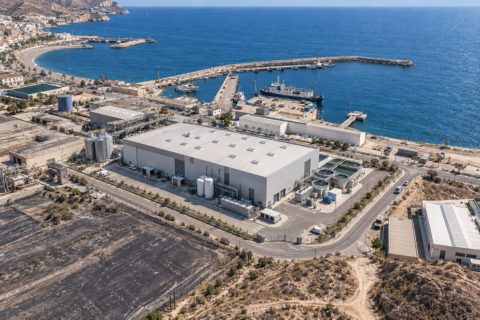
Ocean Aquaculture begins work on Spain hatchery designed to produce eight million greater amberjack juveniles a year
Almería, Spain, 9 September 2026 | The first phase will involve an investment of around €15 million and is expected to begin production in January 2028, supplying both the group’s future offshore farms and other Mediterranean producers