
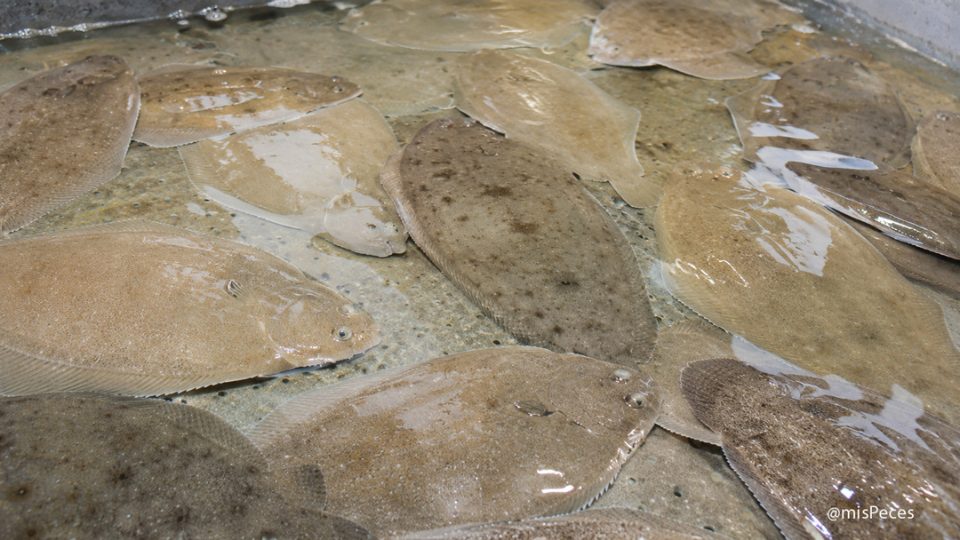
Reproduction remains one of the main obstacles to consolidating the farming of Senegalese sole. Males born and reared in captivity reach sexual maturity but generally fail to develop the courtship behaviour required to achieve spontaneous, fertilised spawing.
This dysfunction has traditionally been associated with several factors, including the absence of normal courtship behaviour, alterations in chemical and neuroendocrine communication, reduced testosterone and prostglandin levels, possible effects of prolonged stress in captivity, lower sperm production, reduced concentrations of mature spermatids and disrupted cell communication within the testes.
However, reproductive difficulties may begin before the gonads become directly involved.
In fish, the sense of smell allows individuals to detect substances released into the water by other fish, including steroids, prostaglandins and compounds with pheromone-like functions. These signals help fish identify a reproductive partner, synchronise maturation and activate courtship behaviour.
A transcriptomic analysis of the olfactory structures of Senegalese sole shows that captive-born fish have a different molecular organisation from wild-origin specimens.
The study analysed both olfactory rosettes of 12 adult fish – males and females of both origins – and identified 15,306 active genes, including 404 olfactory receptor genes.
Two olfactory organs with different functions
The asymmetrical anatomy of flatfish means that their two olfactory rosettes are exposed to different environments. The upper rosette is in contact with the water column and appears to be particularly involved in social and reproductive communication.
The lower rosette is located closer to the seabed and seems to be more specialised in detecting food and signals originating from the substrate.
The study confirms marked molecular specialisation between the two structures. Receptors known as Ors, which may participate in the detection of steroids, prostaglandins and other reproductive signals, were mainly associated with the upper rosette and with males. Other receptors, such as TAARs, were more abundant in the lower rosette and in females.
The most relevant difference for aquaculture production emerges when the fish were compared according to their origin. Captive-born specimens showed much more similar expression profiles between the two rosettes and between males and females. Wild-origin fish, by contrast, retained considerably greater olfactory differentiation.
This lower transcriptomic diversity suggests that spending an entire lifetime in a homogeneous environment may limit the plasticity of the sensory system. Although the wild-origin specimens had been kept in captivity for more than five years before sampling, they still retained part of the molecular signature associated with their early environmental history.
Perceiving the signal may be as important as producing it
Wild-origin males showed higher expression of genes involved in hormonal reception, olfactory receptor activity and neuroendocrine signalling. These included prostaglandin and androgen receptors, as well as genes associated with social behaviour.
Captive-born males, by contrast, showed greater activity in genes related to the local synthesis of steroids and prostaglandins, together with pathways associated with the stress response. The researchers interpret this pattern as a possible compensatory mechanism or as evidence of altered neuroendocrine regulation.
The hypothesis is that reproductive dysfunction may not depend solely on males producing fewer hormones or lower-quality gametes. They may also have a reduced ability to detect the chemical signals released by females, process then correctly and convert them into a courtship response.
This could help explain why some males reach gonadal maturity but fail to develop functional reproductive behaviour. The system connecting smell, the brain, hormones and behaviour may have become uncoupled, although the study does not yet demonstrate a direct causal relationship.
From molecular diagnosis to broodstock management
The findings open a line of research focused on the environmental experienced during the early stages of development. Systems offering greater physical, chemical or social complexity could support the maturation of sensory circuits and help preserve greater olfactory plasticity.
Before the hypothesis can be transferred to commercial farms, researchers will need to examine how males respond to prostaglandins and other reproductive signals, link gene expression with olfactory and behavioural tests, analyse hormonal profiles and investigative possible epigenetic mechanisms.
Il will also be important to determine whether environmental enrichment produces lasting effects and whether it can subsequently improve courtship quality, sperm production or fertilisation.
The main lesson for aquaculture is that resolving reproductive dysfunction in Senegalese sole will probably require more than interventions targeting the gonads or the application of hormonal treatments.
The environmental history of broodstock and the development of their sensory systems may also influence their ability to recognise a partner and complete the reproductive process.

Related



Latest In-depth
-
Clams more resistant to heat and Perkinsus: research paves the way for selective breeding
Padua, Italy, 16/10/2026 | University of Padua researchers explain to misPeces the findings presented at Aquaculture Europe 2026 and the steps needed to transfer them to hatcheries. Initial applications could emerge within the next two or three years, although the relationship between resistance, growth and other production traits still need to be assessed