
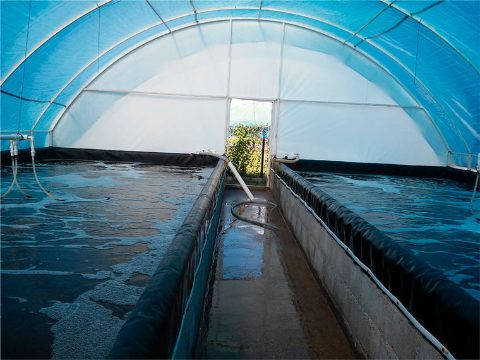
Biofloc systems, an innovative aquaculture technique that uses microorganisms to transform nitrogenous by-products into nutrients, creating a self-sustaining environment, are revolutionising the way fish and shellfish are produced in areas where access to high-quality water is limited.
However, maintaining water quality balance requires constant monitoring of parameters such as oxygen levels, pH, dissolved solids, temperature, and turbidity.
At present, most biofloc systems are designed to be controlled manually, which is not only time-consuming but also leaves room for human error. A small oversight could result in the collapse of the entire system.
But this is all changing thanks to the advent of the Internet of Things (IoT). With the integration of smart sensors and automated control systems, fish farmers can now monitor every variable in real time, from anywhere in the world. Oxygen levels dropping? An air pump activates automatically. Temperature falling outside the ideal range? A heater adjusts the environment instantly. All of this happens without human intervention, ensuring optimal conditions for farming.
The impact goes beyond mere automation. By optimising water parameters in real time, IoT systems enable the effective management of critical levels of ammonia and other nitrogenous compounds, preventing them from accumulating to toxic levels. This not only protects aquatic life but also improves productivity and reduces long-term costs.
However, like any advancement, the use of IoT in biofloc comes with challenges. Implementing these systems requires a significant initial investment and a learning curve to operate the technology. Furthermore, in remote areas or places with limited access to power, the systems could fail, putting production at risk.
Despite these barriers, the future of sustainable aquaculture is increasingly tied to this digital revolution. With IoT, biofloc systems promise not only more efficient production but also a smarter and more environmentally friendly way to feed the world.

Related

Latest In-depth
-
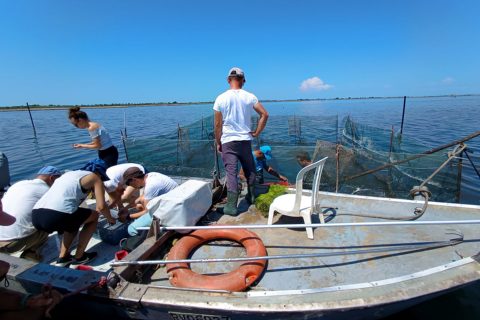
Clams more resistant to heat and Perkinsus: research paves the way for selective breeding
Padua, Italy, 16/10/2026 | University of Padua researchers explain to misPeces the findings presented at Aquaculture Europe 2026 and the steps needed to transfer them to hatcheries. Initial applications could emerge within the next two or three years, although the relationship between resistance, growth and other production traits still need to be assessed