
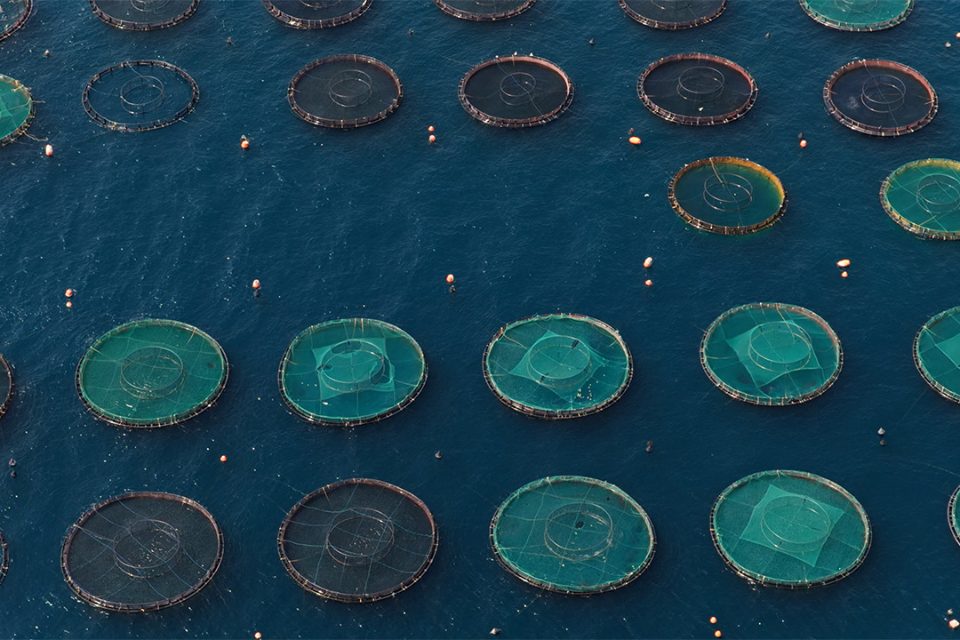
The exceptional sea temperatures recorded across Europe this summer point to a higher-risk environment for Mediterranean aquaculture. An analysis by World Weather Attribution estimates that climate change added around 2ºC to the temperature normaly observed in the Mediterranean and 1.4ºC in the Bay of Biscay and waters around the Iberian Peninsula.
During 2026, approximately 80% of the western Mediterranean and 90% of the Iberian coast and Bay of Biscay have experienced marine heatwaves conditions.
For aquaculture, the decisive factor is not only the increase in average temperature, but also the intensity and duration of these events. Warmer water holds less oxygen while fish simultaneously experience faster metabolism and higher oxygen demand.
When these conditions coincide with high biomass, limited water circulation or stratification in the water column, feed intake and growth may decline and health risks increase.
The effect on gilthead seabream is not entirely negative. Moderate warming can accelerate growth, reduce winter periods of low feed intake and shorten the time needed to reach market size. However, a physiological model published in Aquaculture uses 28ºC as the threshold above which thermal stress increases and production conditions become less suitable.
The potential advantage of warmer production cycles may therefore disappear when fish experience too many days above this level.
European seabass has a narrower margin in which to cope this extreme heat. Studies conducted at Mediterranean farms have identified temperatures above 30ºC as a predisposing factor in summer mortality syndromes, particularly when combined with low oxygen, elevated ammonia concentrations or bacterial infections.
This difference in thermal tolerance could lead some companies to increase the share of seabream or more warm-water-tolerant species in their production mix.
Shellfish are among the most exposed farmed species because they cannot move into deeper or cooler water. Extreme heat can disrupt filtration, weaken their physiological conditions and cause mortality among both adults and seed, extending production losses across several farming cycles.
In 2024, temperatures above 30ºC contributed to severe mortality among farmed mussels in Greece’s Thermaic Gulf.
The recurrence of these heatwaves will require thermal risk to become part of routine farm planning. Adjusting stocking and harvesting dates, reducing biomass before summer, monitoring temperature and oxygen depths, strengthening health prevention and selecting more tolerant sites, species and genetic lines will al form part of the production response.
Warming will not affect every species or farming area equally, but it is reducing the safety margin available during the hottest months.

Related


Latest In-depth
-
Clams more resistant to heat and Perkinsus: research paves the way for selective breeding
Padua, Italy, 16/10/2026 | University of Padua researchers explain to misPeces the findings presented at Aquaculture Europe 2026 and the steps needed to transfer them to hatcheries. Initial applications could emerge within the next two or three years, although the relationship between resistance, growth and other production traits still need to be assessed